
How Swing Dance Evolved on the Dance Floor
Editorial Team · on 14 June 2026 · 8 min read · Last reviewed 14 June 2026
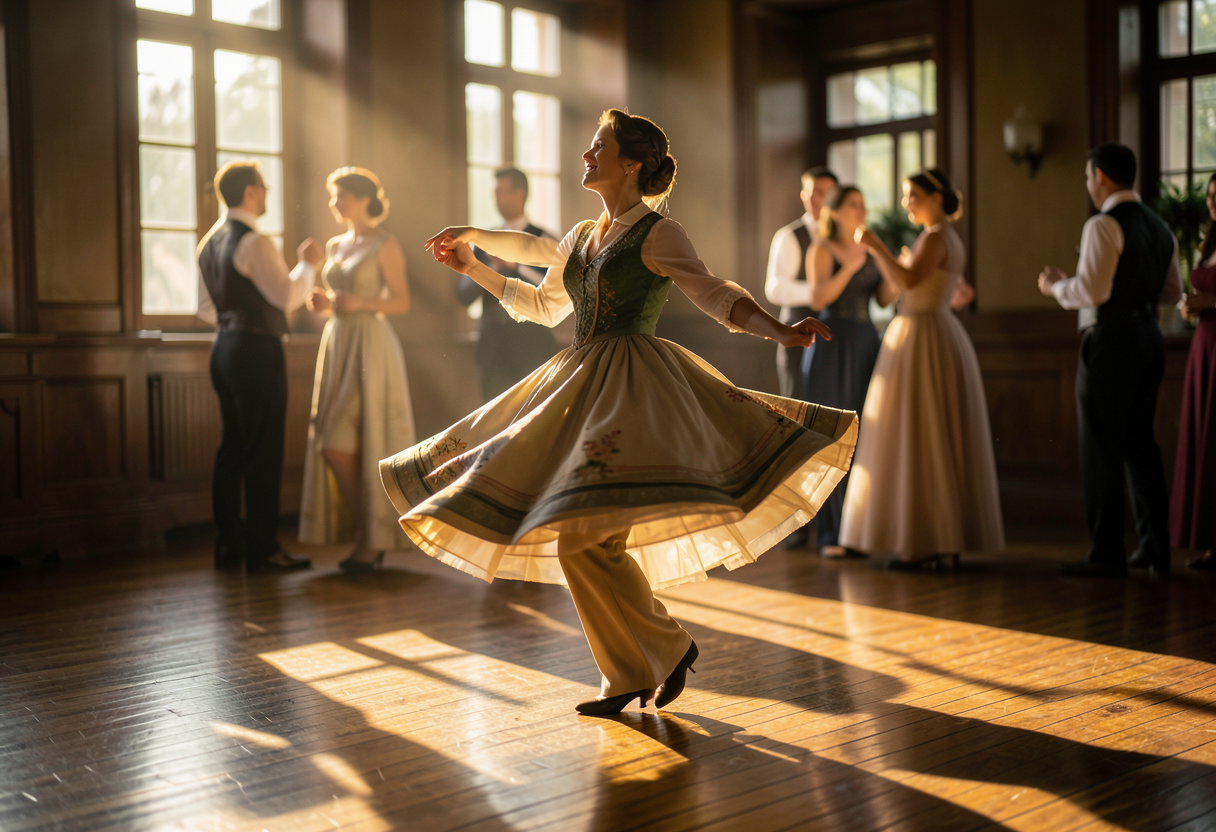
Swing dance is a lively and energetic partner dance that originated in the 1920s–1930s and evolved alongside jazz music, characterized by bouncy movements, spins, and improvisational partner work.
Key facts
- Swing dance emerged in African American communities in the 1920s and gained mainstream popularity in the 1930s and 1940s.
- It encompasses a range of styles, including Lindy Hop, East Coast Swing, and West Coast Swing.
- Swing dance is performed to big band music, with tempos ranging from 120 to 200 beats per minute.
- The dance emphasizes musicality, rhythm, and creative expression, often featuring aerial moves and intricate footwork.
How did swing dance originate?
Swing dance evolved from African American vernacular dances in Harlem, New York, particularly the Charleston and the Lindy Hop. These dances were heavily influenced by jazz music and the improvisational spirit of the era. The Lindy Hop, named after aviator Charles Lindbergh, became the most popular form of swing dance in the 1930s and 1940s. It was danced to the swing music played by big bands led by artists like Duke Ellington and Benny Goodman.
Swing dance quickly spread beyond Harlem, becoming a cultural phenomenon across the United States and Europe. Its popularity was boosted by dance marathons, Hollywood films, and the influence of dancers like Frankie Manning, who pioneered many of the iconic aerial moves associated with swing dance. The dance’s social and improvisational nature made it accessible and appealing to a wide audience, contributing to its enduring legacy.
What are the key elements of swing dance?
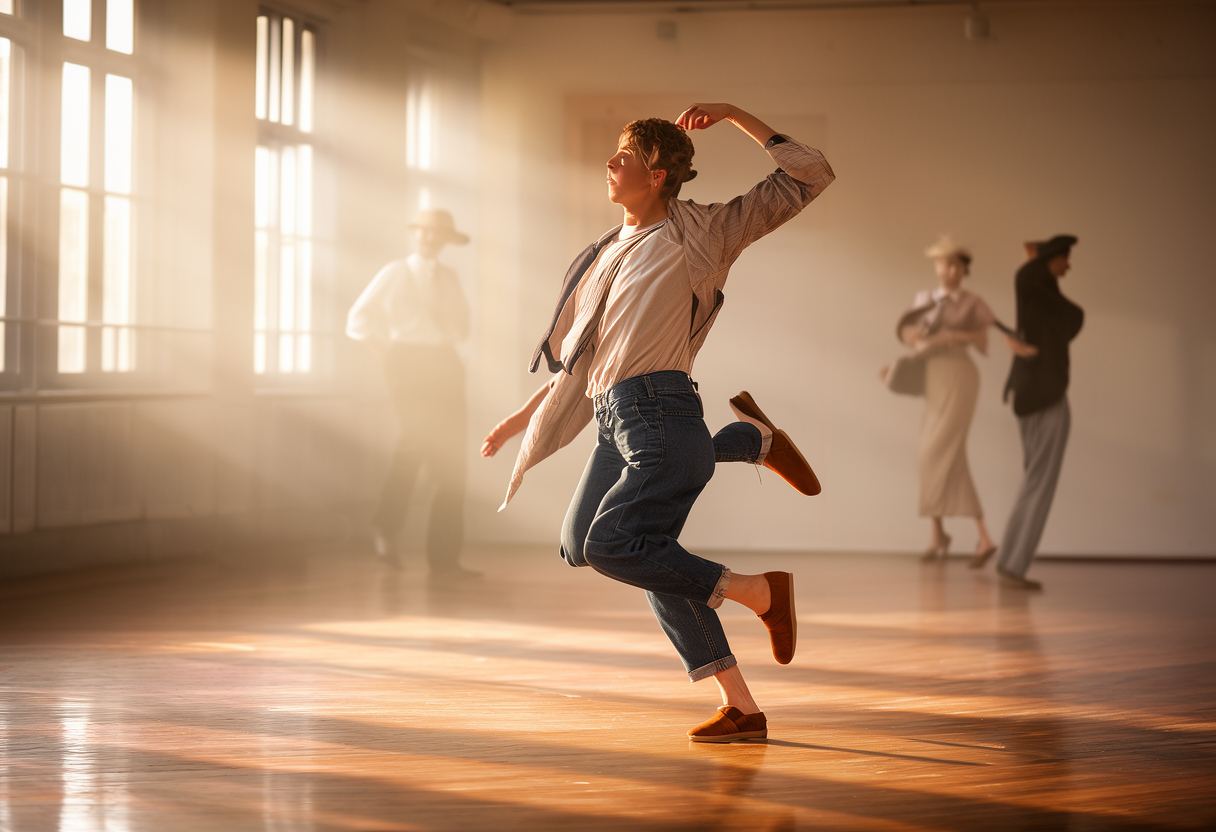
Swing dance is defined by several key elements that set it apart from other dance styles. These include its energetic and playful nature, the use of syncopated rhythms, and the emphasis on improvisation. The dance is typically performed in a closed or open position, with partners often breaking apart and reconnecting in creative ways. Footwork is a crucial aspect, featuring quick steps, rocks, and swivels that match the beat of the music.
Another defining feature of swing dance is its use of aerial moves, or “airs,” which involve lifting or spinning a partner. These moves require trust, coordination, and a strong connection between partners. Swing dance also places a strong emphasis on musicality, with dancers interpreting the music through their movements. This can include responding to changes in tempo, dynamics, and instrumental breaks.
How has swing dance evolved over time?
Swing dance has undergone several transformations since its inception, adapting to changing musical styles and cultural trends. In the 1940s and 1950s, the rise of rock ‘n’ roll led to the development of East Coast Swing, a simpler and more structured form of swing dance that could be danced to faster music. This style remains popular today and is often taught in dance classes and social settings.
In the 1960s and 1970s, swing dance experienced a revival as part of the swing dance revival movement. Dancers began to rediscover and preserve the original Lindy Hop and other historic styles, leading to a resurgence of interest in swing dance. Today, swing dance continues to evolve, with modern variations like West Coast Swing incorporating elements from other dance styles, such as salsa and blues. The dance remains a vibrant and dynamic part of the global dance scene, with a strong community of dancers and instructors.
Think of swing dance as a conversation between partners, where each movement is a response to the music and the other dancer. Just as a good conversation flows naturally and creatively, swing dance requires a balance of structure and spontaneity, with partners constantly adapting to each other and the rhythm of the music.
What are the different styles of swing dance?
Swing dance encompasses a variety of styles, each with its own unique characteristics and history. The Lindy Hop is the original and most iconic form of swing dance, characterized by its high energy, aerial moves, and improvisational nature. It is typically danced to big band music and features complex footwork and partner work. The Lindy Hop is often performed in social settings, where dancers can freely express themselves and connect with the music.
East Coast Swing is a simpler and more structured form of swing dance that developed in the 1940s and 1950s. It is often danced to rock ‘n’ roll music and features six-count and eight-count patterns. East Coast Swing is popular in dance classes and social settings, where its straightforward structure makes it accessible to beginners. West Coast Swing, on the other hand, is a smoother and more fluid style of swing dance that originated in California in the 1960s and 1970s. It emphasizes connection and musical interpretation, with dancers moving in a slotted pattern and responding to changes in the music.
How can you get started with swing dance?
If you’re interested in learning swing dance, there are several steps you can take to get started. First, familiarize yourself with the different styles of swing dance and choose the one that appeals to you the most. You can watch videos, attend workshops, or take classes to gain a better understanding of the dance and its techniques. Next, find a local dance studio or community center that offers swing dance classes. Many studios offer beginner classes that will teach you the basic steps, patterns, and techniques of swing dance.
Once you’ve mastered the basics, you can start practicing with a partner and attending social dances. Social dances are a great way to meet other dancers, gain experience, and improve your skills. You can also join a dance troupe or perform in local events to showcase your talents and connect with the swing dance community. Additionally, consider exploring online resources, such as the Best Swing Dance Videos for Visual Learners, to supplement your learning and gain inspiration from experienced dancers.
What music is typically used for swing dance?
Swing dance is typically performed to big band music, which features brass and woodwind instruments, a rhythm section, and a strong beat. The tempo of swing music can vary, ranging from 120 to 200 beats per minute, with faster tempos often associated with more energetic and acrobatic styles of swing dance. Some popular big band artists that are commonly associated with swing dance include Duke Ellington, Benny Goodman, and Count Basie.
In addition to big band music, swing dance can also be performed to other genres of music, such as jazz, blues, and rock ‘n’ roll. The key is to choose music with a strong beat and a clear rhythm that allows dancers to connect with the music and express themselves through their movements. Many modern swing dancers also enjoy dancing to contemporary music that has a swing or jazz feel, such as funk, soul, and R&B.
How can you improve your swing dance skills?
Improving your swing dance skills requires practice, dedication, and a willingness to learn from others. Here are some steps you can take to enhance your abilities:
-
Take classes and workshops: Enroll in swing dance classes or workshops taught by experienced instructors. These classes will provide you with a solid foundation in the basics and help you develop more advanced techniques.
-
Practice regularly: Set aside time each week to practice your swing dance moves and patterns. Focus on areas where you need improvement, and use online resources, such as the Best Swing Dance Videos for Visual Learners, to supplement your practice.
-
Dance with a variety of partners: Dancing with different partners will help you adapt to different styles and improve your connection and communication skills. Attend social dances and workshops to meet other dancers and gain experience.
-
Join a dance troupe or perform: Joining a dance troupe or performing in local events will give you the opportunity to showcase your talents and gain valuable performance experience. It will also help you build confidence and connect with the swing dance community.
-
Learn from experienced dancers: Seek out mentorship from experienced swing dancers, either through formal mentorship programs or by attending workshops and social dances. Observing and learning from experienced dancers can provide valuable insights and inspiration.
Swing dance has a rich history and a vibrant community of dancers who continue to innovate and preserve its traditions. By understanding its origins, key elements, and different styles, you can deepen your appreciation for this dynamic and expressive dance form. Whether you’re a beginner or an experienced dancer, there are always new skills to learn and ways to connect with the music and your partner. So, put on your dancing shoes, find a partner, and let the music guide you as you explore the exciting world of swing dance. For a comprehensive overview of swing dance, check out the The Ultimate Guide to Swing Dance. To book your first swing dance lesson, visit How to Book Your First Swing Dance Lesson.
Frequently asked questions
What are the origins of swing dance?
Swing dance emerged in the 1920s and 1930s in African American communities in the U.S. It was heavily influenced by jazz music and drew from older dance styles like the Charleston and the Lindy Hop. The dance became popular in Harlem, New York, and spread across the country through dance halls and social events.
How did swing dance spread globally?
Swing dance spread globally through American soldiers stationed overseas during World War II. They introduced the dance to local communities, and it quickly gained popularity. In the UK, for example, swing dance clubs emerged in the 1940s, and it remains a staple in dance scenes worldwide.
What are the key characteristics of swing dance?
Swing dance is known for its energetic movements, partner work, and improvisation. It often includes spins, flips, and playful interactions between dancers. The dance is typically performed to swing music, characterized by its syncopated rhythms and upbeat tempo.
How has swing dance influenced modern dance styles?
Swing dance has influenced many modern dance styles, including salsa, hip-hop, and even contemporary dance. Its emphasis on improvisation and partner connection can be seen in various social dances. Additionally, swing dance communities continue to thrive, hosting competitions and social events globally.