
Swing Dress Dance: Silhouette and Style
Editorial Team · on 14 June 2026 · 5 min read · Last reviewed 14 June 2026
Swing dance is a lively social dance that originated in the 1920s–1940s African American communities in the United States, characterised by energetic movements, partner work, and improvisation across styles like Lindy Hop and Charleston.
Key facts
- Swing dance evolved alongside jazz music, particularly big band swing, with iconic dancers like Frankie Manning shaping its development.
- It is danced socially and competitively worldwide, with UK scenes thriving in cities such as London, Manchester, and Edinburgh.
- Key styles include Lindy Hop (1930s–1940s), East Coast Swing (simplified 1940s version), and Balboa (close-embrace 1930s style).
- Dress codes vary from vintage-inspired outfits to modern athletic wear, prioritising comfort and freedom of movement.
What defines swing dance silhouettes?
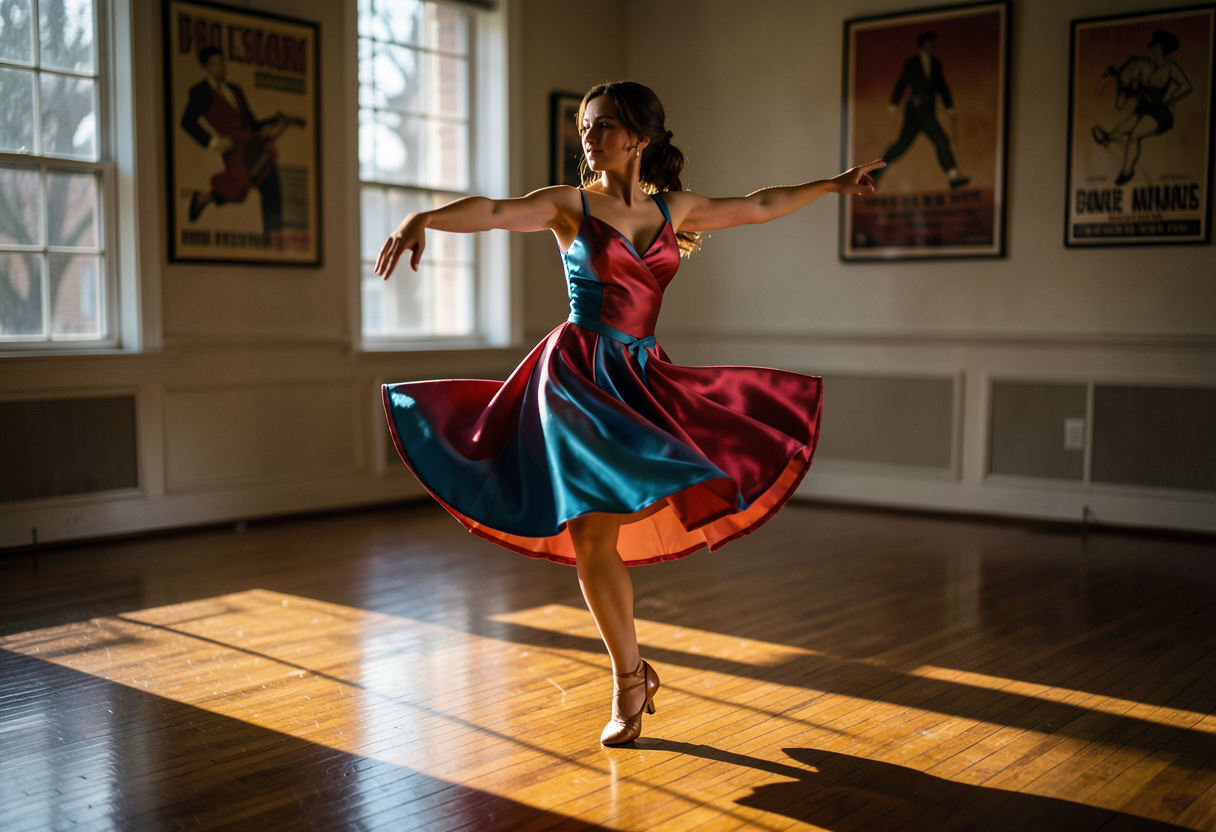
Swing dance silhouettes balance vintage aesthetics with practicality. For women, full-circle skirts or A-line cuts allow leg movements like kicks and charleston steps, while men’s attire often includes high-waisted trousers and loose-fitting shirts for agility. Modern adaptations may feature shorter hemlines or stretch fabrics for increased mobility.
The iconic 1940s swing dress, often seen in films like “Swing Time” (1936), typically has a fitted bodice, flared skirt, and sweetheart neckline. Men’s styles borrow from zoot suit influences, with wide shoulders and tapered legs. These designs prioritise both visual appeal and the physical demands of the dance.
How does swing dress style vary across dance styles?
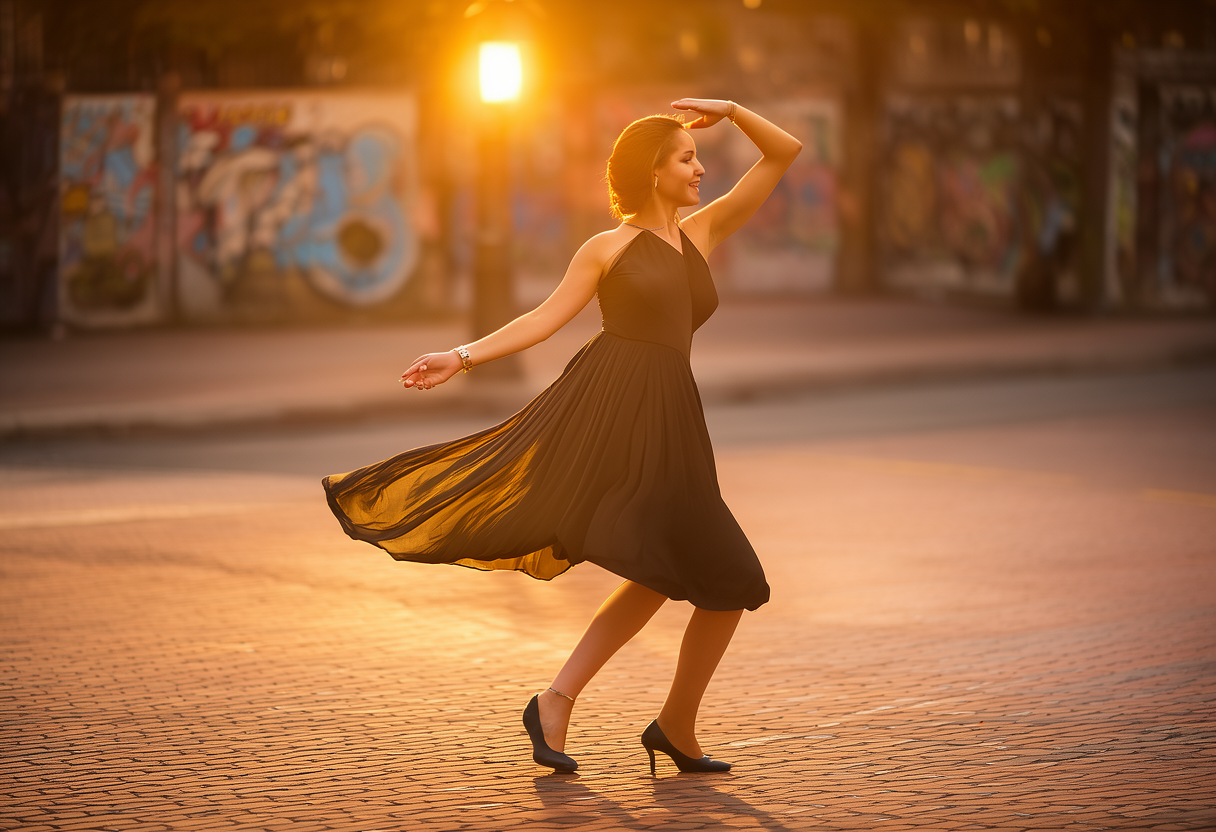
Lindy Hop and Charleston dancers favour flowy fabrics like cotton or chiffon to accentuate spins and kicks. In contrast, Balboa dancers opt for closer-fitting garments to maintain the tight partner connection required for fast footwork. East Coast Swing attire leans towards casual elegance, often incorporating modern athletic wear for comfort during long social dances.
Think of swing dance silhouettes like jazz music—they both have structure but thrive on improvisation. Just as a musician might riff on a melody, a dancer might adapt their outfit to suit the dance style while keeping the core aesthetic intact.
What materials are best for swing dance dresses?
Lightweight, breathable fabrics like cotton, polyester blends, or stretch jersey are ideal for swing dresses, allowing dancers to move freely without overheating. For vintage-inspired looks, cotton sateen or rayon provide the desired sheen and drape. Avoid heavy materials like velvet or wool, which restrict movement and absorb sweat.
Modern performance fabrics with moisture-wicking properties are increasingly popular, especially in competitive settings. These materials help dancers stay cool and dry during high-energy routines. For more information, see our guide on Swing Dance Dresses: Fabric and Movement.
How do swing dance outfits differ between studio and social settings?
In studio settings, dancers prioritise comfort and durability. Outfits often feature moisture-wicking fabrics, supportive shoes (see our guide on Swing Dance Shoes: Comfort and Performance), and layers for warmth during breaks. Social dance events may encourage more expressive attire, with vintage-inspired pieces or bold prints to match the lively atmosphere.
For a complete breakdown, explore our article on Swing Dance Outfits: Studio to Social.
What are the key differences between vintage and modern swing dance dresses?
Vintage swing dresses typically feature high-waisted designs, sweetheart necklines, and full skirts, often adorned with lace or embroidery. Modern versions may simplify these elements, using elastic waistbands for comfort and shorter hemlines for mobility. Both styles, however, aim to enhance the dancer’s movements while maintaining a connection to the dance’s history.
For a deeper dive, read our comparison of Swing Dance Dress: Vintage and Modern Cuts.
How do swing dance shoes complement dress style?
Swing dance shoes should provide ankle support, flexibility, and a smooth sole for pivoting. Women’s shoes often feature straps or laces to secure the foot during spins, while men’s styles may include reinforced toes for shuffles and slides. Sizing is crucial, as ill-fitting shoes can cause blisters or limit movement.
For detailed advice on selecting the right shoes, see our guides on Dance Shoes for Swing: Material and Fit and Swing Dance Shoes UK: Sizing and Brands.
What accessories enhance swing dance outfits without compromising performance?
Accessories like dance gloves, socks, and headbands can add style without sacrificing function. Fingerless gloves enhance hand movements, while non-slip socks provide grip on dance floors. Headbands keep hair in place during spins, and lightweight jewellery adds a touch of elegance without weighing down the dancer.
Think of accessories as the seasoning in a recipe—they enhance the dish without overpowering it. Similarly, the right accessories can elevate a swing dance outfit while keeping the focus on the dance.
How can dancers balance style and functionality in their outfits?
Start by selecting a base layer that wicks moisture and allows for a full range of motion. For women, a fitted top paired with a flowing skirt creates the classic silhouette while ensuring comfort. Men should opt for breathable shirts and high-waisted trousers that permit deep knee bends and quick footwork.
Accessories like dance gloves or socks can add flair without compromising performance. For example, fingerless gloves enhance hand movements in routines, while non-slip socks provide grip on dance floors.
- Choose breathable, moisture-wicking fabrics for base layers.
- Prioritise fitted tops and flexible bottoms for mobility.
- Select shoes with adequate ankle support and smooth soles.
- Use accessories like gloves or socks to add style without sacrificing function.
When selecting your swing dance outfit, focus on fabrics and cuts that complement your movements while staying true to the dance’s aesthetic. Prioritise comfort and functionality to ensure you can perform at your best, whether in a studio or social setting.
Frequently asked questions
What defines a swing dress silhouette?
A swing dress features a fitted bodice and a full, flared skirt that swings out as you move. The silhouette is characterized by its A-line shape, which creates a balanced, flattering look. It typically falls between the knee and mid-calf, though variations exist. The design allows for ease of movement, making it ideal for dancing.
How does a swing dress differ from other dress styles?
Unlike pencil skirts or bodycon dresses, swing dresses prioritize comfort and mobility. They avoid tight fits around the legs, unlike fitted styles. The full skirt distinguishes them from straight or narrow silhouettes. Additionally, swing dresses often incorporate playful details like polka dots or bold prints, setting them apart from more formal or minimalist designs.
What occasions are suitable for wearing a swing dress?
Swing dresses suit a variety of settings. They are perfect for casual outings, picnics, or garden parties. Their retro vibe also makes them ideal for themed events or vintage-inspired gatherings. Some women even wear them to work, depending on the dress code. Pairing with the right accessories can adapt the dress to different occasions.
Can swing dresses be styled for different seasons?
Yes. In warmer months, opt for lightweight fabrics like cotton or linen. Layer with a cardigan or jacket for cooler weather. Tights and ankle boots can extend wear into fall and winter. Choose darker colors or heavier materials for colder seasons. The versatility of swing dresses makes them a year-round wardrobe staple with simple adjustments.