
Swing Dance Lessons Near Me: What to Expect
Editorial Team · on 14 June 2026 · 9 min read · Last reviewed 14 June 2026
Swing dance is a lively social dance style that originated in the 1920s–1940s in the African American community and later gained widespread popularity globally, characterised by energetic movements, partner interaction, and a strong connection to jazz music.
Key facts
- Swing dance encompasses various styles like Lindy Hop, East Coast Swing, and West Coast Swing.
- Classes are typically structured in levels, from beginner to advanced, with most beginners starting with 6-8 week courses.
- The average cost for group swing dance lessons ranges from £8 to £15 per class in the UK.
- Many dance studios offer social dance nights where students can practise their skills in a relaxed setting.
What are the different styles of swing dance?
Swing dance is an umbrella term for several related styles, each with distinct characteristics. The most common styles you’ll encounter in the UK are Lindy Hop, East Coast Swing, and West Coast Swing. Lindy Hop, originating in Harlem, is the most iconic, featuring aerial moves and a fast, energetic rhythm. East Coast Swing, a simplified version of Lindy Hop, is popular in social dance settings due to its easy-to-learn basic steps. West Coast Swing, on the other hand, is danced to slower tempos and emphasises smooth, flowing movements and creative improvisation. Other styles like Balboa and Shag are also gaining traction in dedicated scenes.
When searching for ‘swing dance lessons near me’, you’ll likely find studios offering multiple styles. Beginners often start with East Coast Swing, as its basic six-count and eight-count patterns are easier to grasp. As you progress, you can explore other styles to find what resonates with you. Many studios offer drop-in classes or workshops to help you sample different styles before committing to a course. For example, Swing Dance Classes in London: Beginner Friendly highlights studios that cater specifically to beginners, offering a low-pressure environment to try various swing styles.
What should I expect in my first swing dance lesson?
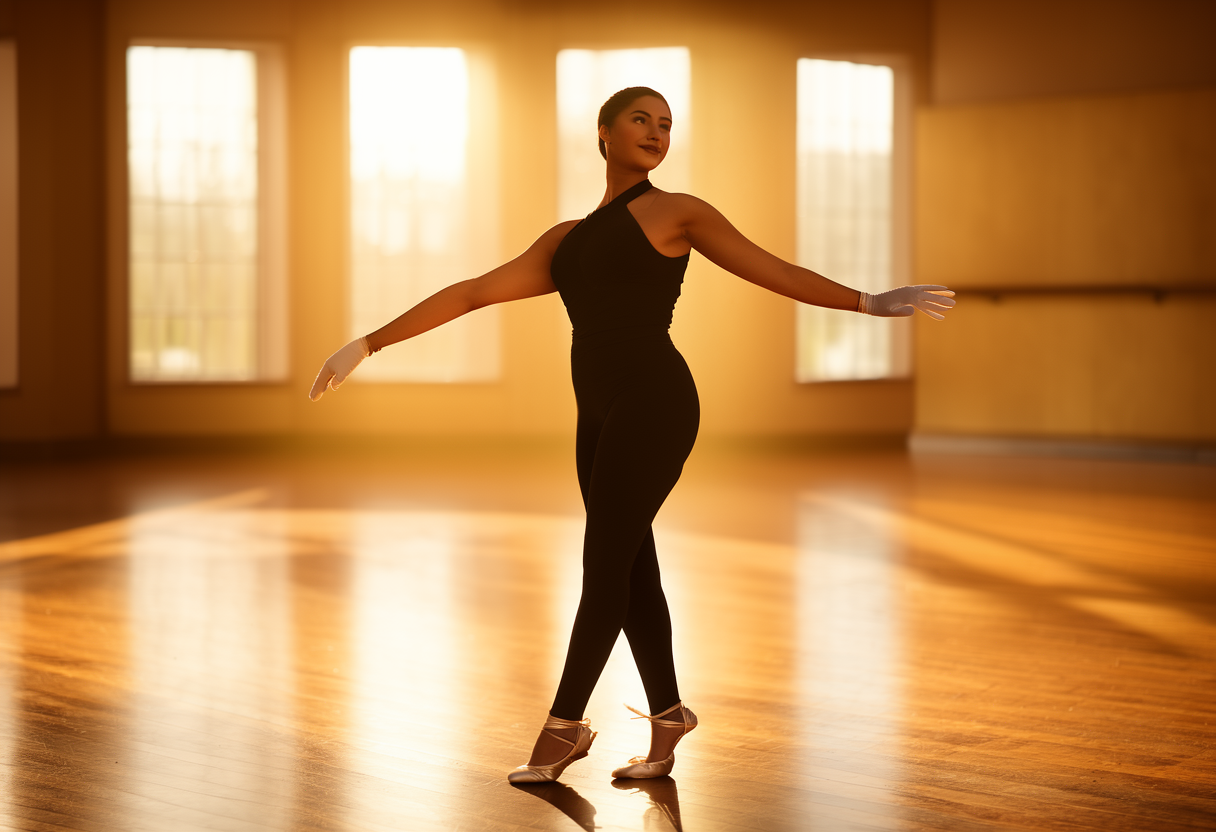
Your first swing dance lesson will typically start with a warm-up to get your body moving and prevent injuries. The instructor will then break down basic steps, such as the six-count or eight-count pattern, demonstrating each part clearly. You’ll practise these steps individually before moving on to partner work. Don’t worry if you struggle at first—everyone starts somewhere, and the focus is on having fun and learning the fundamentals. Most beginner classes maintain a relaxed atmosphere, encouraging students to ask questions and take breaks when needed.
You don’t need a partner to join a swing dance class. Studios often rotate partners during class to give everyone a chance to dance with different people and learn from diverse styles. Wearing comfortable clothing and supportive shoes is essential, as swing dance involves quick movements and pivots. If you’re unsure what to wear, check the studio’s website or call ahead for guidance. Many studios also provide a list of recommended gear or offer discounts on dance shoes for new students.
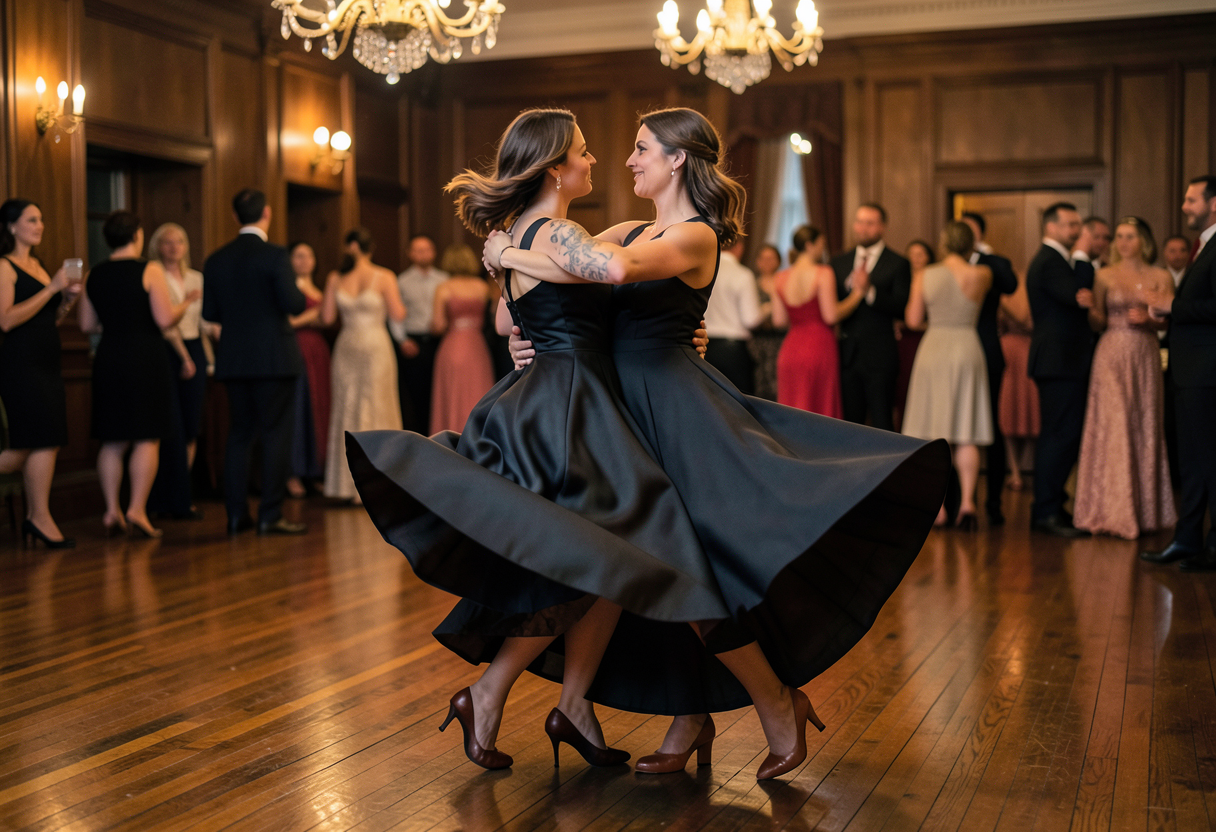
After the lesson, you may have the opportunity to stay for a social dance or practice session. This is a great way to reinforce what you’ve learned and meet fellow dancers. Some studios host weekly socials or events where you can dance to live music or DJ sets, providing a fun, low-pressure environment to practise your new skills.
How do I find the right swing dance class for my level?
Finding the right swing dance class depends on your experience, goals, and learning style. If you’re a complete beginner, look for studios offering introductory courses or workshops specifically designed for newcomers. These classes will focus on the basics and build a strong foundation for more advanced techniques. As you progress, you can move on to intermediate or advanced classes, which often incorporate more complex footwork, spins, and partnering skills.
Many studios offer trial classes or drop-in sessions, allowing you to test the waters before committing to a full course. This is a great way to get a feel for the instructor’s teaching style and the studio’s atmosphere. Some studios also provide level assessments or placement tests to ensure you’re enrolled in the appropriate class. For example, Swing Dance Class Near Me: Trial Tips offers practical advice on making the most of trial classes and finding the right fit.
Consider your goals when choosing a swing dance class. If you’re interested in competing or performing, look for studios with a strong focus on technique and choreography. If you prefer social dancing, prioritise studios with regular social events or dance nights. Additionally, some studios offer specialised classes, such as solo jazz, vintage styling, or partner variations, which can help you develop a well-rounded skill set.
What should I look for in a swing dance studio?
When searching for ‘swing dance lessons near me’, consider factors like location, class schedule, and studio atmosphere. A convenient location and flexible scheduling can make it easier to commit to regular practice. Look for studios with a welcoming environment, where instructors encourage questions and create a supportive learning space. Reading online reviews or visiting the studio’s website can provide insights into the studio’s culture and teaching style.
The quality of instruction is another crucial factor. Experienced instructors with a strong background in swing dance can make a significant difference in your learning experience. Look for studios with instructors who have competed, performed, or taught for several years. Additionally, consider the student-to-instructor ratio, as smaller class sizes can provide more personalised attention and feedback.
Many studios offer additional resources, such as private lessons, video tutorials, or access to online classes. These resources can help you progress faster and reinforce what you’ve learned in group classes. Some studios also host social events, performances, or workshops featuring guest instructors, providing opportunities to expand your skills and connect with the local dance community.
How can I progress quickly in swing dance?
To progress quickly in swing dance, focus on consistent practice and setting clear goals. Attend classes regularly and dedicate time outside of class to practise your steps and footwork. Dancing with a variety of partners can also help you develop adaptability and learn different styles. Additionally, consider signing up for workshops or intensives, which offer immersive learning experiences and the chance to train with renowned instructors.
Watching experienced dancers perform or compete can provide valuable insights into technique and musicality. Many studios host social dances or events featuring live music, where you can observe and learn from more advanced dancers. You can also find inspiration and educational content online through platforms like YouTube or social media. Breaking down complex moves into smaller, manageable parts can make them easier to learn and incorporate into your dancing.
Joining a dance community or finding a dance partner can motivate you to practise more frequently and push your limits. Many studios have online forums, Facebook groups, or WhatsApp chats where students can connect, share tips, and organise practice sessions. Additionally, participating in competitions or performances can give you a sense of accomplishment and help you identify areas for improvement. For more information on competitions and rankings, check out World Swing Dance Council: Rules and Rankings.
Learning swing dance is like learning a new language. Just as you start with basic vocabulary and grammar before building complex sentences, you begin with fundamental steps and footwork before incorporating advanced moves and stylistic nuances. Consistency, patience, and immersion in the language (or dance, in this case) are key to becoming fluent.
What are the benefits of learning swing dance?
Swing dance offers numerous physical and mental health benefits. As a full-body workout, it improves cardiovascular health, strength, and flexibility. The fast-paced movements and quick direction changes help build agility and coordination, while the partner interaction enhances communication and teamwork skills. Additionally, swing dance is a great way to relieve stress and boost your mood, as the combination of music and movement releases endorphins and promotes relaxation.
Learning swing dance also provides opportunities for social connection and personal growth. Dancing with different partners and attending social events can help you build confidence, meet new people, and expand your social circle. The sense of accomplishment that comes with mastering new skills can also boost self-esteem and encourage a positive mindset. Moreover, swing dance is deeply rooted in history and culture, offering a unique way to connect with the past and appreciate the artistry of jazz music.
Many dancers find that swing dance becomes a lifelong passion, leading to travel opportunities, performances, and even teaching. The swing dance community is known for its inclusivity and support, with dancers of all ages and backgrounds coming together to share their love for the art form. Whether you’re looking to improve your fitness, make new friends, or simply have fun, swing dance offers a rewarding and enriching experience.
To find swing dance lessons near you, start by searching online for local studios or dance schools offering swing dance classes. Websites like Swing Dance Classes Near Me: Finding Your Spot provide resources and tips for locating the perfect class. Additionally, check social media platforms, local event listings, or community boards for information on workshops, social dances, or performance opportunities. Don’t forget to read reviews and visit studios in person to ensure you find the right fit for your goals and learning style.
If you’re in London, explore the vibrant swing dance scene by checking out Swing Dance London: Scene and Studios for a list of popular studios and events. For those interested in competitions and rankings, World Swing Dance Council: Rules and Rankings offers an overview of the rules and structures governing swing dance competitions. Additionally, The Swing Dance Company: Events and Workshops provides information on events and workshops hosted by The Swing Dance Company, a prominent organisation in the UK swing dance community.
Frequently asked questions
What should I wear for swing dance lessons?
Wear comfortable clothing that allows for free movement. Sneakers or dance shoes work best. Avoid restrictive fabrics or footwear that lacks support. Many dance studios require socks or shoes for hygiene reasons, so check their policy.
Do I need a partner to take swing dance lessons?
No, you don't need a partner. Most beginner classes rotate partners, giving you a chance to dance with everyone. This helps you learn different styles and build confidence. Some studios offer private lessons if you prefer one-on-one instruction.
How physically demanding are swing dance lessons?
Swing dancing can be moderately demanding but is generally accessible to most fitness levels. It involves quick steps, spins, and lifts. Beginners start with basic moves, gradually increasing complexity. Stay hydrated and inform the instructor of any limitations.
What can I expect in my first swing dance lesson?
Expect a warm-up, basic footwork instruction, and simple partnering techniques. Instructors often teach a short routine. Classes are social, so don't be shy to ask questions. Most sessions end with practice time or a casual dance. Bring water and a positive attitude.