Best Swing Dance Videos for Visual Learners
Editorial Team · on 14 June 2026 · 7 min read · Last reviewed 14 June 2026
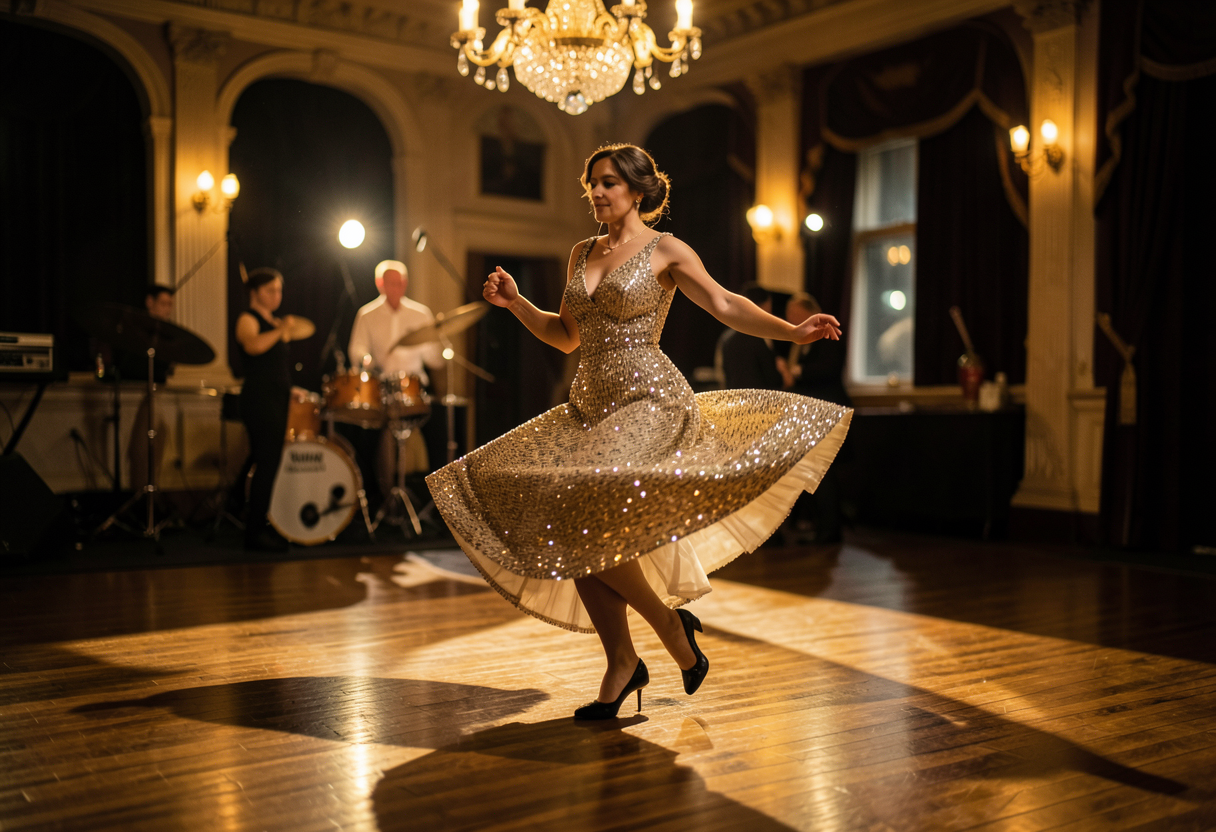
Swing dance is a lively, energetic partner dance that originated in the 1920s and 1930s, characterised by its bouncy rhythm, spins, and playful footwork.
Key facts
- Swing dance evolved alongside jazz music, particularly big band music, and was popularised by dances like the Lindy Hop, Charleston, and Jitterbug.
- It was initially danced by African American communities in Harlem, New York, before spreading globally.
- Swing dance is known for its improvisation, allowing dancers to express their individual style within the dance’s framework.
- Today, swing dance remains popular, with dedicated communities and competitions worldwide.
What makes swing dance videos effective for visual learners?
Visual learners benefit significantly from swing dance videos because they can observe the movements, timing, and technique in real-time. Videos allow learners to pause, rewind, and replay sections, reinforcing muscle memory and understanding of complex steps. Additionally, watching experienced dancers perform can provide inspiration and clarity on how to execute moves with proper form and rhythm.
Many swing dance videos include multiple camera angles, slow-motion breakdowns, and visual cues that help learners grasp the nuances of each move. For instance, a video might show a spin from different angles to demonstrate the correct posture and footwork. This visual approach is particularly useful for learners who struggle with written instructions or verbal explanations.
Furthermore, visual learners can pick up on subtle details in the dancer’s body language and facial expressions, which can enhance their understanding of the dance’s emotional and stylistic elements. For example, a video might show a dancer smiling and engaging with their partner, highlighting the importance of connection and enjoyment in swing dance.
Where to find high-quality swing dance videos
There are numerous platforms where you can find high-quality swing dance videos. YouTube is a treasure trove of free tutorials, ranging from beginner basics to advanced techniques. Channels like The Ultimate Guide to Swing Dance often feature step-by-step guides and full dance routines. Additionally, streaming services like Udemy and Skillshare offer in-depth courses taught by professional dancers, providing structured learning paths.
For those looking for a more immersive experience, online dance schools and private instructors often host live virtual classes and pre-recorded video libraries. These platforms provide personalised feedback and the opportunity to ask questions in real-time. Local dance studios may also offer online access to their classes, combining the benefits of in-person instruction with the convenience of video learning.
Another valuable resource is dance conventions and workshops, which often release video recordings of their sessions. These events feature renowned dancers and instructors who share their expertise and unique styles. Websites like can provide information on upcoming events and available video recordings.
Essential swing dance moves to learn from videos
To get started with swing dance, it’s helpful to focus on a few essential moves that form the foundation of most routines. The basic six-count and eight-count steps are fundamental, providing a rhythm and structure for more complex moves. Learning these steps from videos allows beginners to understand the timing and footwork required.
Other key moves include the swing out, which involves a series of spins and partner connections, and the Lindy circle, a classic move that showcases the dance’s playful nature. Videos that break down these moves into smaller, manageable parts can make learning less overwhelming. For example, a tutorial might start with the basic footwork before adding spins and partner interactions.
Additionally, learning stylistic elements such as body rolls, kicks, and shuffles can enhance your swing dance performance. Videos that focus on these details can help you develop a more polished and expressive dance style. For instance, a tutorial might demonstrate how to incorporate a body roll into a swing out, adding a touch of elegance and fluidity to the move.
Tips for getting the most out of swing dance videos
To maximise the benefits of swing dance videos, it’s important to practice consistently and actively engage with the content. Start by watching the entire routine or move to get an overall sense of the dance. Then, break it down into smaller sections and practice each part individually before combining them.
Use a mirror to check your form and alignment, and consider recording yourself to compare your movements with those in the video. This self-assessment can help identify areas for improvement and track progress over time. Additionally, join online communities or forums dedicated to swing dance, where you can share your videos and receive feedback from experienced dancers.
Another effective strategy is to practice with a partner, either in person or virtually. Partner practice allows you to refine your connection, timing, and communication skills. Videos that focus on partner dance techniques can provide valuable insights into leading, following, and maintaining a strong dance connection.
Learning swing dance from videos is like following a recipe. Just as you would watch a cooking tutorial step by step, breaking down each ingredient and technique, swing dance videos guide you through each move, allowing you to pause, rewind, and perfect your technique before moving on to the next step.
Steps to practice swing dance effectively from videos
- Watch the entire routine or move to understand the overall flow.
- Break down the move into smaller sections and practice each part individually.
- Use a mirror to check your form and alignment.
- Record yourself and compare your movements with those in the video.
- Join online communities for feedback and support.
- Practice consistently and track your progress over time.
Comparing different swing dance styles in videos
Swing dance encompasses various styles, each with its unique characteristics and techniques. The Lindy Hop, for example, is known for its energetic jumps and aerials, while the Charleston emphasises quick footwork and playful movements. East Coast Swing is characterised by its smooth, flowing motions, while West Coast Swing incorporates more stylish and relaxed movements.
Watching videos that highlight these different styles can help learners understand the nuances and choose the one that resonates with them the most. For instance, a video featuring the Lindy Hop might showcase the dance’s acrobatic elements, while a Charleston video would focus on the quick, intricate footwork.
Additionally, exploring regional variations of swing dance can provide a deeper understanding of the dance’s history and cultural context. For example, videos featuring Balboa, a style that originated in California, highlight its close embrace and quick footwork, while videos featuring Collegiate Shag showcase its bouncy, upbeat movements.
How to choose the right swing dance video for your skill level
Selecting the appropriate swing dance video for your skill level is crucial for effective learning. Beginners should look for videos that focus on fundamental steps, clear instructions, and slow, deliberate movements. These videos often break down each step into manageable parts, making it easier to follow along and build a strong foundation.
Intermediate dancers can benefit from videos that introduce more complex moves and variations. These tutorials might assume some prior knowledge of basic steps and focus on refining technique, adding stylistic elements, and increasing speed. Look for videos that offer challenges and encourage dancers to experiment with their own style.
Advanced dancers should seek out videos that push their limits and introduce new, intricate moves. These tutorials might feature fast-paced routines, advanced partnering techniques, and innovative stylistic elements. Additionally, videos that showcase performances by professional dancers can provide inspiration and insight into the highest levels of swing dance.
For visual learners, swing dance videos offer an invaluable resource for mastering this dynamic and expressive dance style. By following the tips and strategies outlined above, you can make the most of these videos and enhance your swing dance skills. Start by exploring the essential moves, practice consistently, and engage with the swing dance community to receive feedback and support. With dedication and the right resources, you’ll be well on your way to becoming a confident and skilled swing dancer.
Frequently asked questions
What makes a swing dance video effective for visual learners?
Effective swing dance videos use clear, slow-motion demonstrations and multiple camera angles. They often feature split-screen comparisons, showing both the leader and follower perspectives. Videos with verbal cues and on-screen text for step names enhance comprehension. Examples include Arthur Murray's tutorials and those by professional swing dancers on platforms like YouTube.
Are there specific swing dance styles that are easier to learn from videos?
East Coast Swing and Lindy Hop basics are often easier to learn from videos due to their straightforward patterns. Videos breaking down these styles into simple steps, such as the triple step and rock step, are particularly helpful. More complex styles like Balboa or Collegiate Shag may require in-person instruction for proper technique.
How can visual learners practice along with swing dance videos effectively?
Visual learners should start by watching the entire video to understand the routine. Then, practice in short segments, pausing and replaying as needed. Use a mirror to check form and alignment. Videos with background music at different speeds help learners build muscle memory. Consistent practice with these tools yields better results.
What are some highly recommended swing dance video channels or creators?
Channels like "SwingDanceToday" and "DanceClass.com" offer high-quality swing dance tutorials. Professional dancers such as Ryan Francois and Jo Hoffberg provide detailed instructions. Look for videos with high production values, clear audio, and structured lessons. These resources cater well to visual learners by emphasizing visual and auditory cues.