
How to Book Your First Swing Dance Lesson
Editorial Team · on 14 June 2026 · 6 min read · Last reviewed 14 June 2026
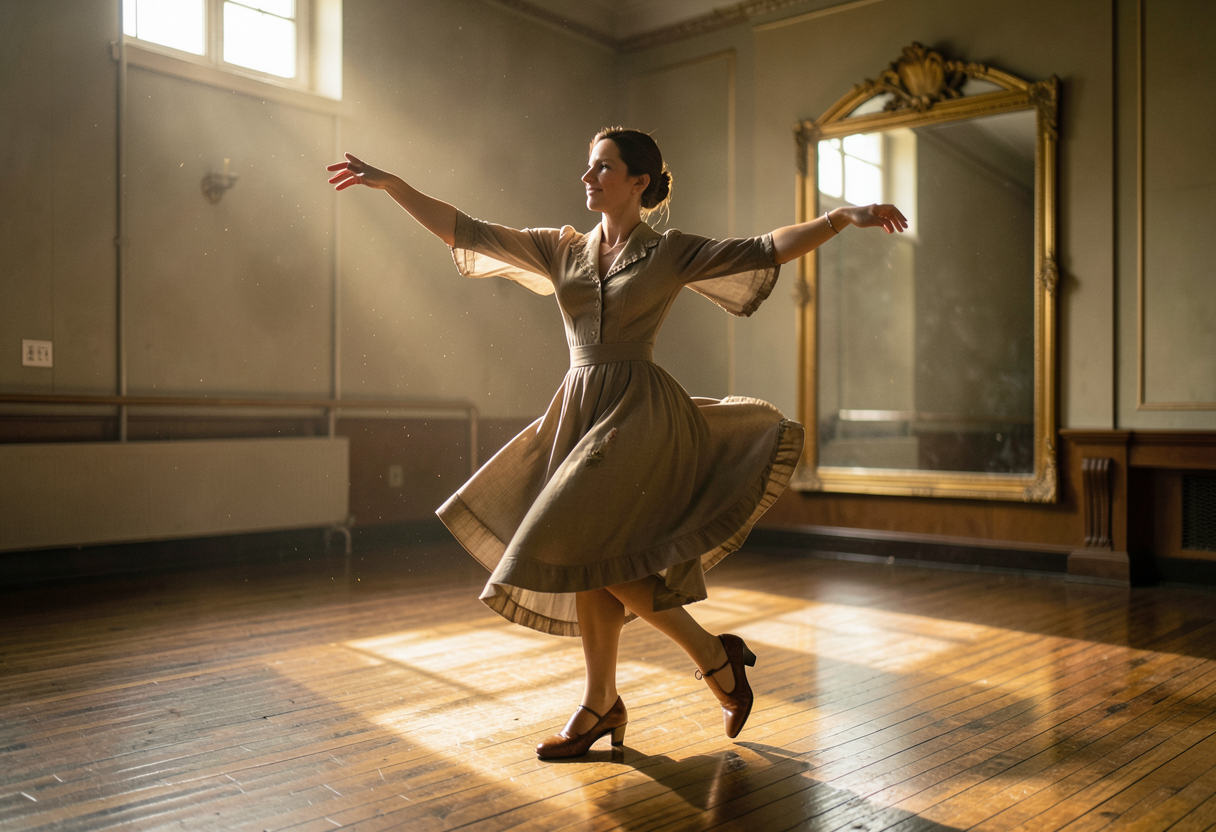
Swing Dance is a lively and energetic dance style that originated in the African American community in the 1920s and evolved into various forms, including Lindy Hop, East Coast Swing, and West Coast Swing, characterized by its upbeat tempo, bouncy movements, and playful partner interactions.
Key facts
- Swing Dance emerged in Harlem, New York City, during the Jazz Age, with roots in Charleston, tap, and breakaway.
- It is typically danced to big band music with a 4/4 time signature, ranging from 120 to 200 beats per minute.
- Swing Dance is social and improvised, allowing dancers to express their unique style and creativity.
- It gained popularity through Hollywood movies, dance marathons, and competitions, becoming a global phenomenon.
Why should I book a Swing Dance lesson?
Swing Dance lessons provide a structured environment to learn the fundamentals, understand music interpretation, and build confidence on the dance floor. Beginners can expect to learn basic steps, footwork, and partner connection, while intermediate and advanced dancers can refine techniques, expand their vocabulary, and explore different styles.
Group lessons offer a social atmosphere to meet fellow dancers, while private lessons provide personalized attention and accelerated learning. Moreover, Swing Dance is an excellent form of exercise, improving cardiovascular health, coordination, and balance. According to a study by the American Council on Exercise, dancing can burn between 200 to 400 calories per hour, making it an enjoyable way to stay fit.
What should I expect in my first Swing Dance lesson?
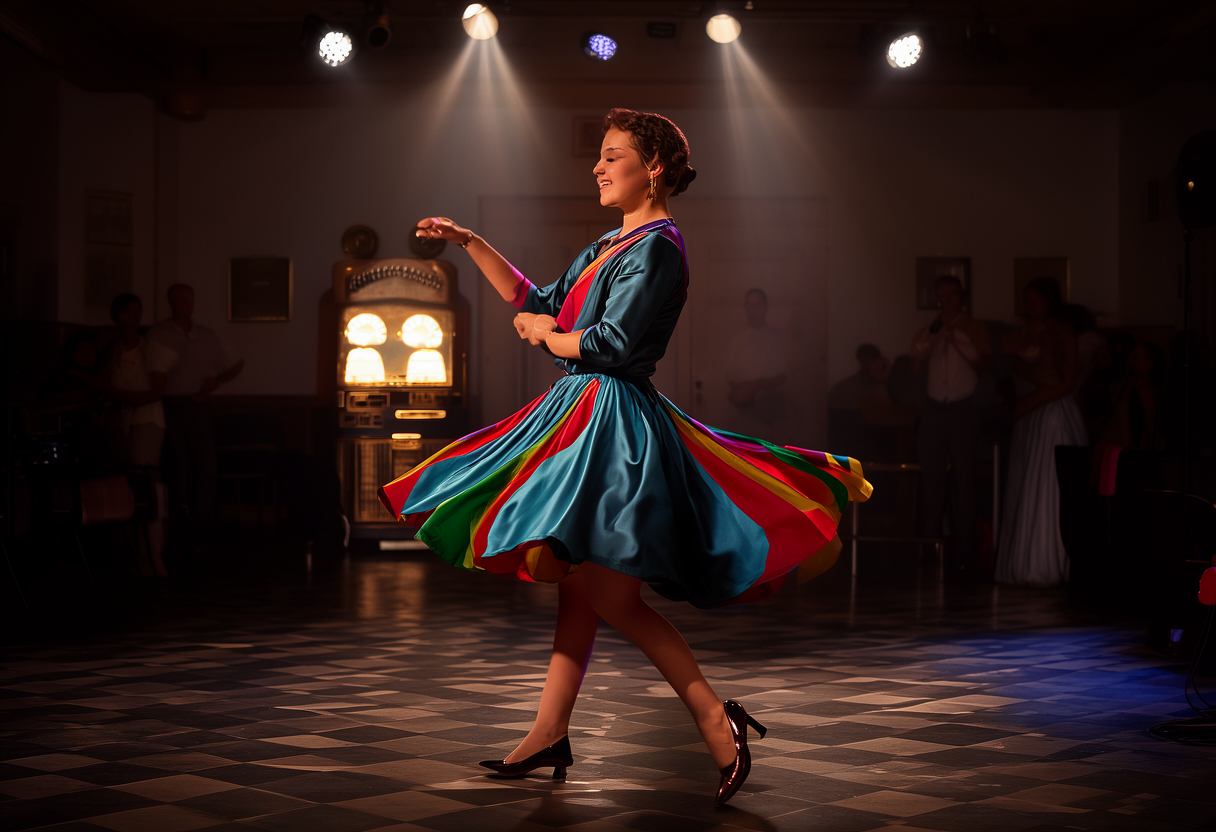
Your first Swing Dance lesson will typically begin with a warm-up to prepare your body for movement and prevent injury. The instructor will then introduce basic steps, such as the six-count or eight-count basic, and explain the dance’s fundamental principles, including posture, frame, and weight transfer.
You’ll practice these steps with a partner, switching frequently to dance with different people and gain varied experience. The instructor may also teach simple turns, spins, and styling elements to add flair to your dancing. Expect a supportive and encouraging atmosphere, as Swing Dance is about having fun and expressing yourself.
Most dance studios offer beginner classes tailored to new dancers, with no prior experience required. Wear comfortable clothing and shoes with smooth soles, such as sneakers or dance shoes, to facilitate movement. Stay hydrated and be prepared to laugh, learn, and enjoy the experience.
How do I find the right Swing Dance instructor or studio?
Research local dance studios, community centers, or event listings to find Swing Dance classes in your area. Look for instructors with a proven track record, experience teaching various skill levels, and a teaching style that resonates with you. Read reviews and testimonials from current and former students to gauge their satisfaction and progress.
Consider the studio’s atmosphere, class size, and schedule to ensure they align with your preferences and availability. Some studios offer trial classes or drop-in rates, allowing you to test the waters before committing to a package or membership. Don’t hesitate to contact the instructor or studio with questions to ensure they’re the right fit for your learning goals.
How much do Swing Dance lessons cost?
Swing Dance lesson costs vary depending on the instructor, studio, location, and class format. Group classes typically range from £5 to £15 per session, with package deals or memberships offering discounted rates. Private lessons usually cost between £25 to £75 per hour, depending on the instructor’s experience and reputation.
Some studios may charge an additional registration or membership fee, while others offer free or discounted social dance events to practice your skills. Consider your budget and learning goals when deciding between group and private lessons, as both formats offer unique benefits.
How can I prepare for my first Swing Dance lesson?
To make the most of your first Swing Dance lesson, familiarize yourself with basic dance terminology and watch videos of experienced dancers to develop an understanding of the style and movement. Listen to Swing Dance music to internalize the rhythm and timing, and practice simple steps at home to build muscle memory and confidence.
Think of learning Swing Dance like learning a new language. You’ll start with basic vocabulary and grammar (steps and footwork), practice speaking with others (dancing with partners), and gradually build the confidence to hold conversations (improvise and express yourself) as you become more fluent.
Stay hydrated, eat a light meal before your lesson, and wear comfortable clothing and shoes to facilitate movement. Arrive a few minutes early to introduce yourself to the instructor, meet fellow students, and familiarize yourself with the studio space. Most importantly, maintain a positive attitude and be open to learning and making mistakes.
What are the most common Swing Dance styles?
Swing Dance encompasses various styles, each with unique characteristics and techniques. The most common styles include:
- East Coast Swing: A six-count dance with a basic pattern of triple steps and rocks, suitable for beginners and social dancing.
- West Coast Swing: An eight-count dance with a distinctive anchor step and extended movements, popular in competitive and social dancing.
- Lindy Hop: A dynamic eight-count dance with aerobic movements, aerial elements, and playful partner interactions, originating in the 1920s and 1930s.
- Balboa: A close-embrace, fast-paced dance with quick footwork and compact movements, developed in the 1930s during the Balboa Peninsula dance marathons.
Explore different styles to find the one that resonates with you the most. Many instructors and studios offer classes in multiple styles, allowing you to diversify your dance skills and repertoire. For a deeper dive into these styles, check out our article on Understanding Different Swing Dance Styles.
What are some essential Swing Dance moves for beginners?
As a beginner, focus on mastering the basic steps and techniques that form the foundation of Swing Dance. Some essential moves to learn include:
- Basic Step: The six-count or eight-count basic step is the foundation of Swing Dance, consisting of triple steps, rocks, and side steps.
- Inside and Outside Turns: Simple turns that allow dancers to change direction and create flow on the dance floor.
- Swing Out: A fundamental Lindy Hop move that combines a triple step, rock step, and swing to send the follower around the leader.
- Tuck Turn: An advanced move that combines a swing out with a spin, creating a visually impressive and dynamic turn.
Practice these moves with a partner, focusing on connection, timing, and musicality. As you gain confidence and proficiency, explore more advanced moves and techniques. For a comprehensive guide to essential Swing Dance moves, refer to our article on Mastering Essential Swing Dance Moves.
Book your first Swing Dance lesson today and experience the joy and excitement of this vibrant and energetic dance style. With dedication, practice, and a positive attitude, you’ll be swinging and swaying like a pro in no time. Don’t forget to check out our The Ultimate Guide to Swing Dance for more tips, resources, and insights into the world of Swing Dance.
Frequently asked questions
How do I find a swing dance lesson near me?
Search online for local dance studios or community centers offering swing dance classes. Use platforms like Meetup, Eventbrite, or Google Maps to find nearby options. Check reviews and class descriptions to ensure they match your skill level and style preferences.
What should I wear to my first swing dance lesson?
Wear comfortable clothing that allows for movement, such as leggings, a t-shirt, and sneakers. Avoid restrictive fabrics or shoes with poor grip. Many dancers wear light, breathable layers to stay cool while practicing.
Do I need a partner to attend a swing dance lesson?
No, most beginner classes welcome solo participants. Instructors often rotate partners during lessons, allowing you to practice with different people. This helps you learn various styles and build social skills.
What basic steps should I expect to learn in my first swing dance lesson?
Beginner classes typically start with fundamental steps like the Lindy Hop's basic six-count or eight-count patterns. You'll also learn simple footwork, partner connection, and basic turns. Instructors often break down movements to ensure clear understanding.