
Swing Dance Dress: Vintage and Modern Cuts
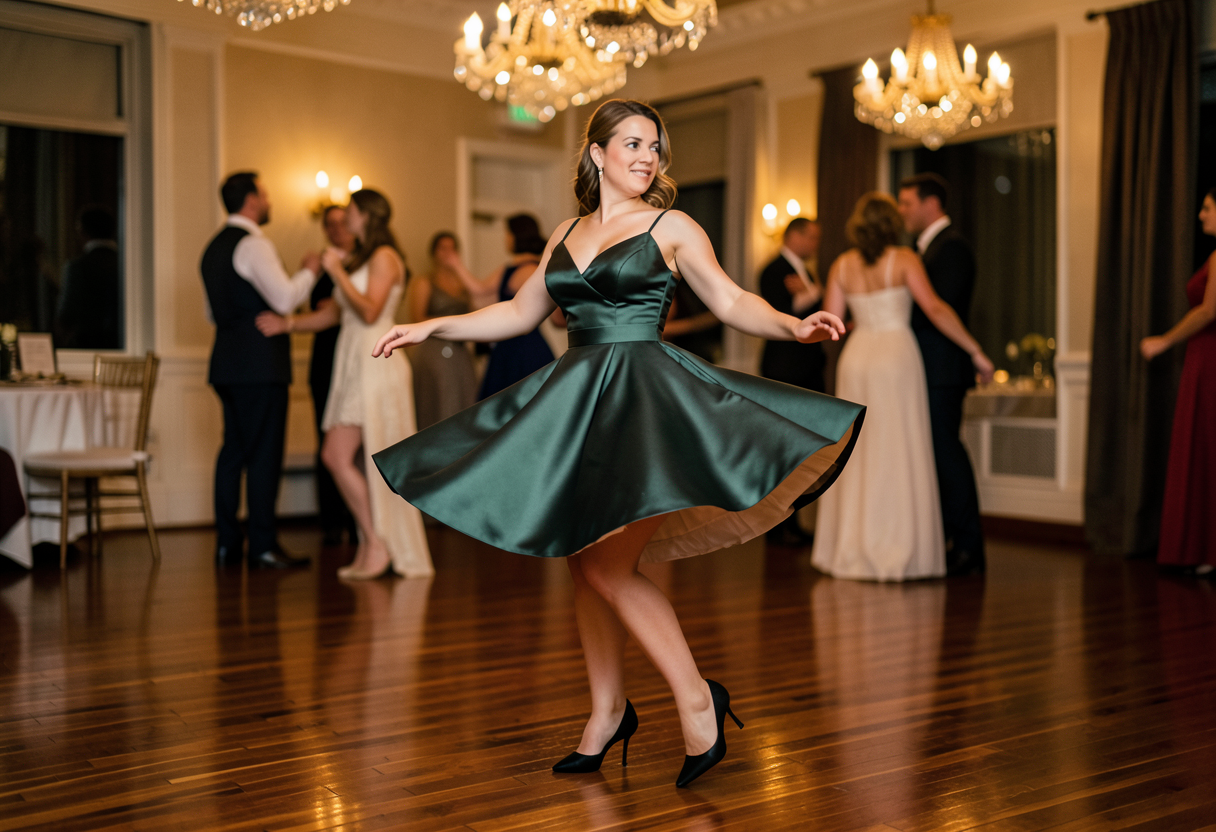
Editorial Team · on 14 June 2026 · 7 min read · Last reviewed 14 June 2026
A swing dance dress is a specialised garment designed for dancers, blending vintage aesthetics with modern performance features to allow freedom of movement during swing dancing.
Key facts
- Swing dance dresses typically feature stretchy fabrics like cotton blends, spandex, or jersey knit for ease of movement
- Classic cuts include the 1930s bias cut gown, 1940s swing dress with puffed sleeves, and modern pencil skirts
- Hem lengths range from tea-length (ankle-grazing) to above-knee for different dance styles
- Quality dresses often include built-in briefs or lining to prevent ride-ups during spins
- Reinforced seams and flatlock stitching reduce irritation and enhance durability
What are the key differences between vintage and modern swing dance dresses?
Vintage swing dance dresses from the 1930s-1950s prioritised glamour over function, using heavy materials like silk and satin that restricted movement. Modern versions maintain the retro look while incorporating performance fabrics like polyester-spandex blends that wick moisture and allow full range of motion. Authentic vintage cuts often feature intricate details such as lace trims, sweetheart necklines, and peplum waists, whereas contemporary designs simplify these elements for practicality.
Another key difference is construction. Vintage dresses frequently used separate bodices and skirts with zippers or buttons, while modern dresses integrate stretch panels and elasticated waists for a more flexible fit. The modern versions also tend to be machine washable, unlike their delicate historical counterparts that required dry cleaning. Additionally, vintage dresses often lacked built-in support features, whereas modern designs may include boning or structured lining to maintain shape during high-energy movements.
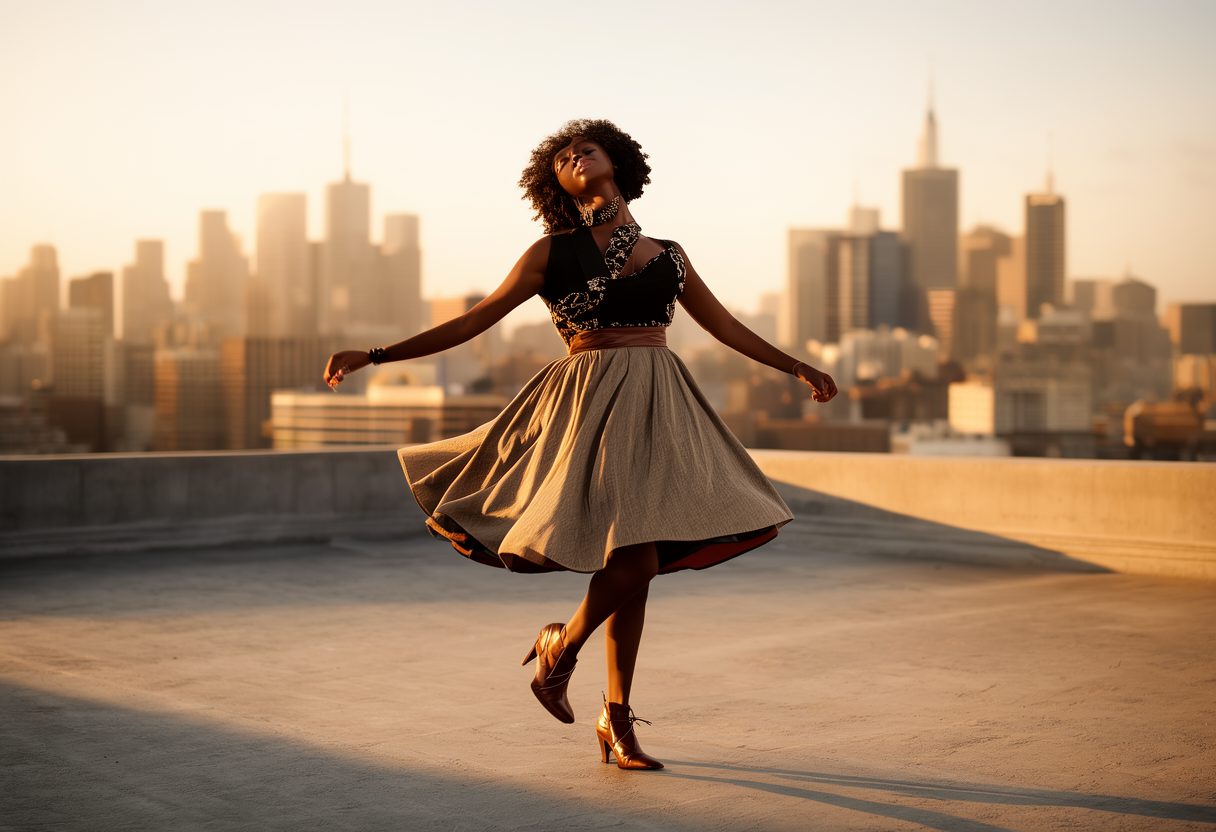
How do fabric choices affect performance in swing dance?
The right fabric is critical for both comfort and visual impact. Lightweight materials like chiffon allow air circulation during fast-paced routines, while thicker fabrics such as cotton sateen provide structure for dresses with full skirts. Stretch is another vital factor; a minimum of 20-30% elastane in the fabric blend ensures the dress moves with the dancer rather than against them. For example, a polyester-spandex blend offers durability and moisture-wicking properties, making it ideal for intense dance sessions.
Moisture-wicking properties are increasingly important in modern designs. Synthetic blends that pull sweat away from the skin help dancers stay cool during long sessions, unlike natural fibres like silk which can become heavy and uncomfortable. Breathable fabrics also reduce friction, minimising the risk of chafing during energetic movements like the Lindy Hop’s aerial steps. Fabrics like jersey knit are popular for their softness and flexibility, though they may require additional structure to maintain the desired silhouette.
What should dancers look for in a well-constructed swing dance dress?
A high-quality swing dance dress should have reinforced seams, particularly in high-stress areas like the underarms and side seams. Look for flatlock stitching, which reduces bulk and prevents irritation during extended wear. Adjustable features like back zippers, stretch waistbands, or tie closures ensure a customisable fit that accommodates different body types and movement styles. Built-in briefs or lining prevent wardrobe malfunctions during spins and kicks, while boning in the bodice provides support without restricting movement.
Pockets are a practical addition, though they must be securely stitched to avoid sagging during dance. The dress should also have a balanced weight distribution to prevent the skirt from flipping up during spins. For instance, a tea-length dress with a circle skirt should have a slight weight at the hem to help it flow smoothly. Additionally, the neckline and sleeve design should complement the dancer’s movements, ensuring comfort and style during performance.
How do different dress silhouettes suit various swing dance styles?
For Lindy Hop and East Coast Swing, which involve lots of spins and kicks, tea-length dresses with A-line or circle skirts are ideal. The fuller skirt creates visual appeal during turns while remaining practical. Charleston dancers often prefer shorter, more fitted dresses that allow unrestricted leg movement and highlight the style’s sharp footwork. The fitted silhouette ensures that the dancer’s movements are clearly visible, enhancing the performance’s visual impact.
Balboa, a close-embrace dance, suits more tailored silhouettes like sheath or fit-and-flare dresses. These provide comfort during quick footwork without excess fabric getting in the way. For Jive and West Coast Swing, where isolation and styling are key, body-conscious cuts with strategic cutouts or asymmetrical hems can enhance the dancer’s lines. These designs accentuate the dancer’s movements and add a modern twist to the traditional swing dance aesthetic.
Think of a swing dance dress like a sports car—it needs both style and engineering. The vintage look is the flashy exterior, while modern fabrics and construction are the high-performance engine that makes it work for dancing.
What accessories complement a swing dance dress?
Accessories should enhance movement without distracting from the dance. Wide-brimmed hats or headscarves add vintage flair but must be securely fastened to avoid slipping during spins. Gloves, particularly fingerless or lace-trimmed styles, complete the retro look while keeping hands free for styling. For example, lace gloves can add a touch of elegance to a 1940s-inspired swing dress without hindering the dancer’s ability to perform intricate hand movements.
Shoes are arguably the most important accessory; they should match the dress’s formality while providing proper support. For more information on selecting the right footwear, see our guide to Swing Dance Shoes: Comfort and Performance. Jewellery should be minimal and lightweight to avoid tangling during partner work. Stud earrings, bracelets, or a simple necklace are safe choices. Accessories like brooches or hair clips can add a personal touch without compromising the dancer’s mobility.
How can dancers maintain their swing dance dresses?
- Always check the care label; most modern swing dresses can be machine washed on a gentle cycle using cold water
- Turn dresses inside out before washing to protect prints and reduce pilling
- Use a gentle detergent designed for performance fabrics to preserve elasticity
- Air dry when possible to maintain fabric integrity and prevent shrinking
- Store dresses on padded hangers to preserve their shape and prevent wrinkles
- For stubborn stains, spot clean with a mixture of white vinegar and water before washing
- Avoid using bleach or harsh chemicals that can damage the fabric and affect its performance
How can dancers choose the right swing dance dress for their body type?
Selecting a swing dance dress that flatters your body type can enhance both comfort and performance. Petite dancers often look best in dresses with empire waists or fitted bodices that elongate the torso. A-line skirts can also create the illusion of height. For example, a petite dancer might opt for a tea-length dress with an empire waist to balance proportions and highlight the waistline.
Plus-size dancers should look for dresses with stretch panels and adjustable features to ensure a comfortable fit. Full skirts can create a flattering silhouette, while V-necklines draw attention upwards. For instance, a plus-size dancer might choose a swing dress with a V-neckline and a full, tea-length skirt to accentuate the waist and create a balanced look. Additionally, dresses with strategic darts or seaming can provide shape and support without compromising mobility.
When selecting a swing dance dress, prioritise fit, fabric, and functionality alongside style. The best dresses combine vintage inspiration with modern technical features to support both the dancer’s movement and aesthetic goals. For more details on how fabric affects performance, explore our article on Swing Dance Dresses: Fabric and Movement. Additionally, consider consulting with a professional dancer or dancewear specialist to find the perfect dress for your unique needs and preferences.
Frequently asked questions
What distinguishes vintage swing dance dresses from modern ones?
Vintage swing dance dresses, typically from the 1920s-1940s, feature shorter hemlines, fitted waists, and often include elements like sweetheart necklines or bias cuts. Modern versions may incorporate these classic elements but often use contemporary fabrics and more relaxed fits for comfort and versatility. Both styles prioritize freedom of movement.
Are vintage swing dance dresses suitable for everyday wear?
Vintage-inspired swing dance dresses can work for everyday wear if they are designed with modern materials and practical lengths. Look for dresses that balance retro aesthetics with contemporary comfort. Avoid overly elaborate or fragile fabrics if you plan to wear the dress frequently outside of dancing.
How do I choose the right swing dance dress for my body type?
Select a dress that flatters your body type. Hourglass figures may prefer fitted waistlines, while pear shapes might opt for A-line skirts. Petite dancers should look for dresses with shorter hemlines to avoid overwhelming their frame. Always prioritize comfort and ease of movement.
Can I wear a modern swing dance dress for vintage-themed events?
Yes, modern swing dance dresses can work for vintage-themed events if they incorporate classic design elements like polka dots, gingham, or bias cuts. Pair the dress with vintage accessories like pearl necklaces or vintage-style heels to enhance the retro look. Ensure the dress fits well and allows for easy movement.