
Swing Dance Shoes: Comfort and Performance
Editorial Team · on 14 June 2026 · 8 min read · Last reviewed 14 June 2026
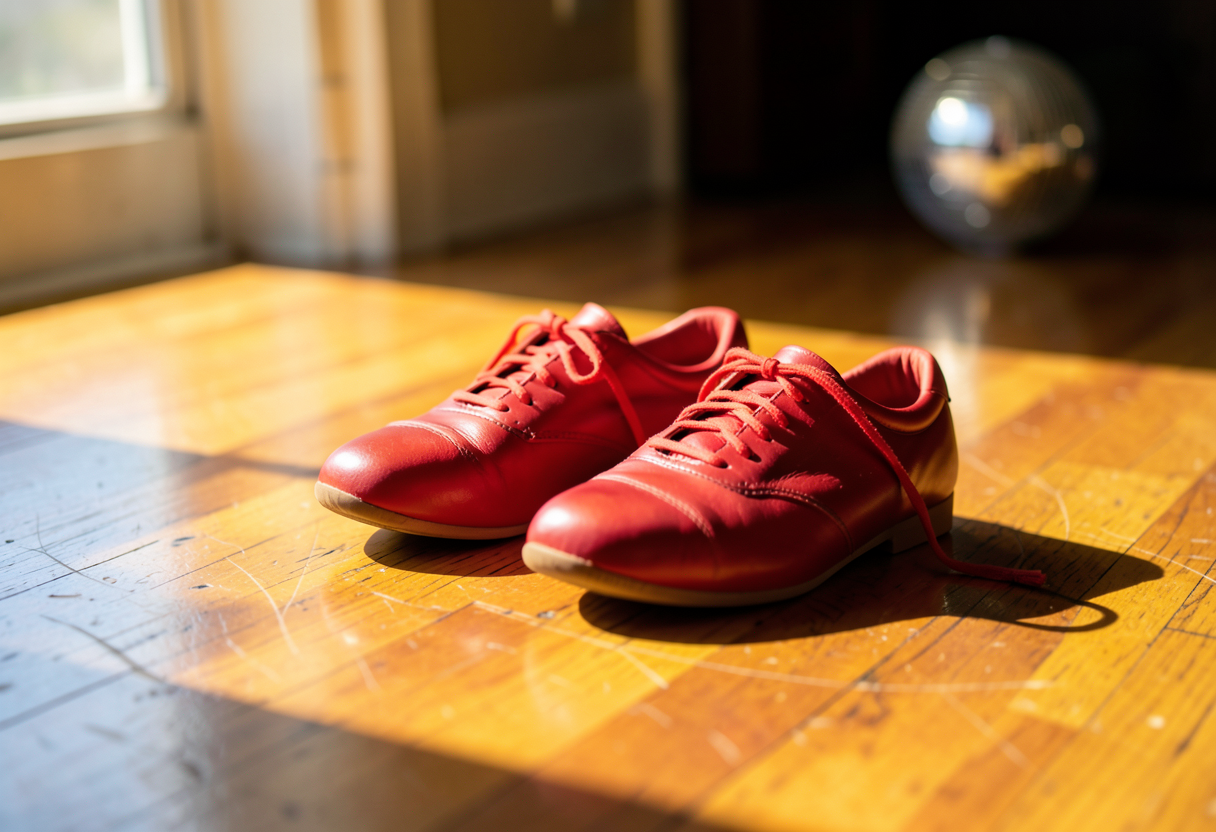
Swing dance shoes are specialised footwear designed to enhance comfort, movement, and performance while dancing styles like Lindy Hop, Charleston, or Jive.
Key facts
- Swing dance shoes prioritise flexibility and lightweight materials to support quick steps and spins.
- Leather or suede soles are common to provide grip and allow smooth gliding.
- Both men’s and women’s styles typically feature low or medium heels for stability and movement.
- Proper fit is critical to prevent blisters and support the unique demands of swing dancing.
Why are swing dance shoes different from regular shoes?
Unlike regular shoes, swing dance shoes are engineered for the dynamic movements of swing dancing. They incorporate features like split soles, which allow for better articulation of the foot, and lightweight materials that reduce fatigue during long dance sessions. The design often includes reinforced areas to withstand the stress of quick turns and slides without compromising comfort. Regular shoes, even athletic ones, lack the specific construction needed to support the lateral movements and pivoting typical in swing dance.
Additionally, the sole material is a key differentiator. Leather or suede soles are preferred because they offer the right balance of grip and smoothness, allowing dancers to glide effortlessly while maintaining control. Regular shoes often have rubber soles, which can stick to dance floors and hinder movement. Swing dance shoes are also designed to be breathable, as dancers’ feet can generate significant heat during fast-paced routines.
What materials are best for swing dance shoes?
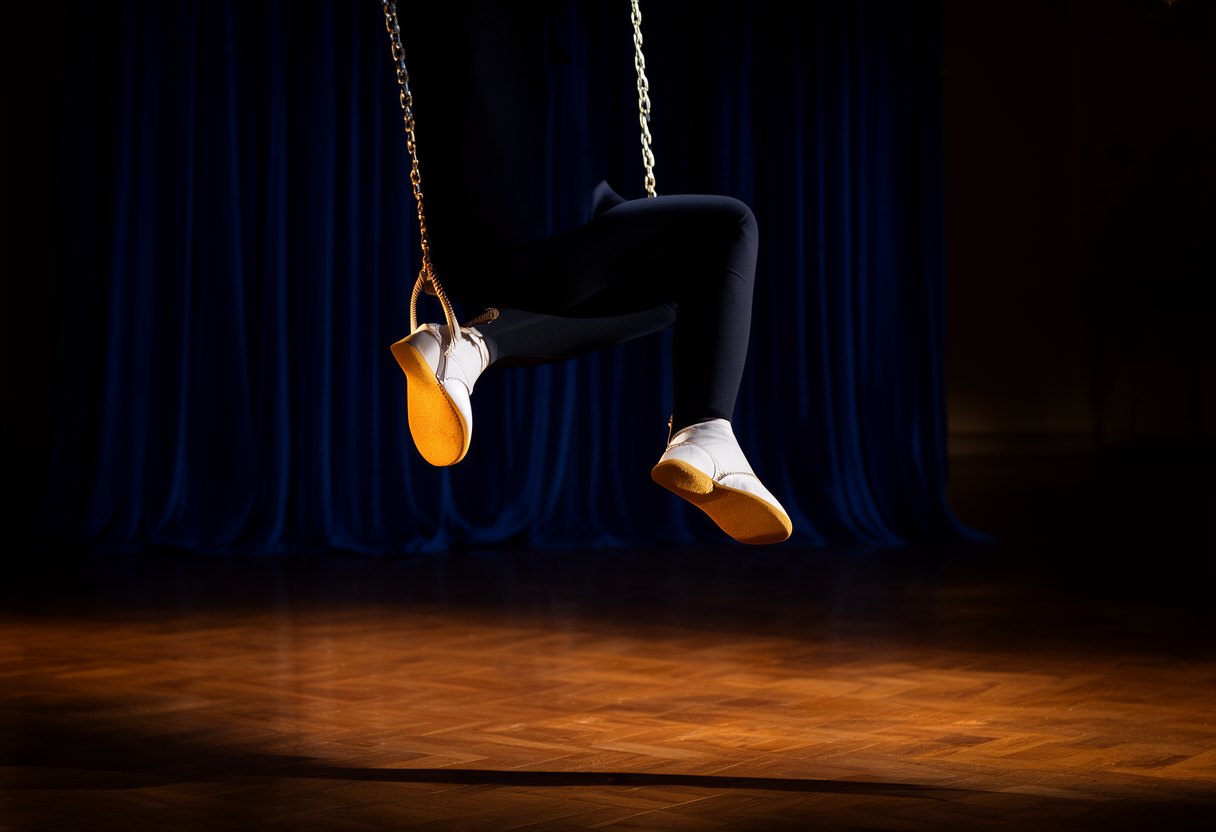
The choice of materials in swing dance shoes directly impacts their performance and durability. Leather is a popular choice for the upper part of the shoe due to its flexibility and breathability. It moulds to the foot over time, providing a customised fit that enhances comfort during long dance sessions. Suede is another common material for soles, as it offers a good balance of grip and smoothness, allowing dancers to slide and pivot with ease.
For those seeking a vegan option or a more affordable alternative, synthetic materials can also be used. These materials often mimic the properties of leather and suede, providing similar levels of flexibility and breathability. However, they may not offer the same level of durability or comfort as genuine leather. The lining of the shoe is equally important; moisture-wicking fabrics help keep the feet dry, reducing the risk of blisters and discomfort.
How should swing dance shoes fit?
Proper fit is essential for swing dance shoes to ensure comfort and prevent injuries. Unlike regular shoes, swing dance shoes should have a snug fit but not be too tight. There should be about a thumb’s width of space between the toe and the end of the shoe to allow for natural foot movement and expansion during dancing. The heel should fit securely without slipping, as excessive movement can lead to blisters and discomfort.
When trying on swing dance shoes, it’s important to wear the same type of socks or stockings that you would wear while dancing. This helps ensure an accurate fit. Walking around in the shoes and performing a few dance steps can also help assess their comfort and support. If the shoes feel uncomfortable or restrictive during these tests, it’s best to try a different size or style.
What are the best brands for swing dance shoes in the UK?
The UK market offers a variety of brands that specialise in swing dance shoes, each with unique features and benefits. Some of the top brands include Dance Shoes for Swing: Material and Fit, which is known for its high-quality leather and suede soles, providing excellent grip and durability. Another popular brand is Swing Dance Shoes UK: Sizing and Brands, which offers a wide range of sizes and styles to cater to different preferences and foot shapes.
For those looking for stylish options, Swing Dance Dresses: Fabric and Movement and Swing Dance Dress: Vintage and Modern Cuts provide elegant designs that combine performance and fashion. These brands often feature intricate detailing and a variety of colours to match different dance outfits. Swing Dance Outfits: Studio to Social is another notable brand, known for its comfortable and supportive designs, making it a favourite among both amateur and professional dancers.
How to care for swing dance shoes?
Proper care and maintenance can extend the life of swing dance shoes and keep them in optimal condition. After each use, it’s important to clean the shoes to remove any dirt or debris. For leather shoes, a soft brush or cloth can be used to gently wipe away dirt. Suede shoes require a specific suede cleaner or eraser to maintain their texture and appearance. Allowing the shoes to air dry naturally, away from direct heat sources, helps prevent damage to the materials.
Regularly conditioning leather shoes with a suitable leather conditioner keeps the material supple and prevents cracking. For suede shoes, using a suede protector spray can help repel water and stains, preserving the shoe’s quality. Storing swing dance shoes in a cool, dry place, preferably in a shoe bag or box, protects them from dust and moisture. Avoiding prolonged exposure to sunlight or heat sources is also crucial to maintain the shoe’s shape and integrity.
Think of swing dance shoes like a car’s tyres. Just as tyres need to be the right type, size, and condition to perform well on the road, swing dance shoes need to be the right fit, made of the right materials, and well-maintained to support the dancer’s movements effectively.
What are the key features to look for in swing dance shoes?
When selecting swing dance shoes, there are several key features to consider to ensure optimal performance and comfort. The first is the sole material; leather or suede soles are ideal for providing the right balance of grip and smoothness. The shoe’s flexibility is also crucial, as it allows for better foot articulation during complex dance movements. Look for shoes with split soles or flexible materials that enable natural foot movement.
The heel height is another important factor. For swing dancing, low or medium heels are generally preferred, as they provide stability and support during quick turns and spins. The shoe’s closure system, whether laces, straps, or elastic, should offer a secure and adjustable fit to prevent slipping and blisters. Additionally, the shoe’s weight matters; lighter shoes reduce fatigue and allow for more agile movements.
What are the best swing dance shoes for beginners?
For beginners, it’s important to choose swing dance shoes that offer a good balance of comfort, support, and affordability. The Dance Shoes for Swing: Material and Fit brand is a popular choice for beginners due to its comfortable and durable designs. Their shoes often feature supportive arches and cushioned insoles, which help reduce foot fatigue during long practice sessions. The Swing Dance Shoes UK: Sizing and Brands brand also offers a range of beginner-friendly options with adjustable straps and flexible soles.
For those on a budget, the Swing Dance Outfits: Studio to Social brand provides affordable yet high-quality swing dance shoes. Their designs focus on basic functionality and comfort, making them ideal for newcomers to the dance style. It’s also worth considering Swing Dress Dance: Silhouette and Style shoes, which offer a mix of style and performance at a reasonable price point. Investing in a good pair of beginner shoes can help build a strong foundation for learning and enjoying swing dancing.
How to choose the right swing dance shoes for your style?
Choosing the right swing dance shoes depends on your specific dance style and personal preferences. For Lindy Hop, shoes with a flexible sole and a low heel are ideal, as they support the quick, bouncy movements characteristic of this style. Charleston dancers often prefer shoes with a medium heel and a smooth sole to facilitate the intricate footwork and spins. Jive dancers typically opt for shoes with a higher heel and a suede sole to enhance their dynamic jumps and turns.
Consider the dance floor surface as well. Leather soles are better for smooth, wooden floors, while suede soles provide better grip on slippery surfaces. The shoe’s overall design should complement your dance outfit and reflect your personal style. Trying on different styles and brands can help you find the perfect pair that enhances your performance and comfort.
How to break in new swing dance shoes?
Breaking in new swing dance shoes is essential to ensure they mould to your feet and provide optimal comfort. Start by wearing the shoes for short periods at home to allow the materials to soften and adapt to your foot shape. Gradually increase the wearing time as the shoes become more comfortable. Performing basic dance steps while wearing the shoes can help speed up the breaking-in process.
If the shoes feel tight in certain areas, using a shoe stretcher or stuffing them with newspaper can help expand the material. For leather shoes, applying a small amount of leather conditioner can soften the material and make it more pliable. Avoid wearing new shoes for extended periods or during intense dance sessions until they are fully broken in to prevent discomfort and potential injuries.
- Wear new shoes for short periods at home initially.
- Gradually increase wearing time as the shoes become more comfortable.
- Perform basic dance steps to help break in the shoes.
- Use a shoe stretcher or stuff shoes with newspaper if they feel tight.
- Apply leather conditioner to soften leather shoes.
- Avoid wearing new shoes for extended periods until fully broken in.
Finding the right pair of swing dance shoes can significantly enhance your dancing experience. Focus on comfort, fit, and the specific features that support your dance style. With the right shoes, you can move with confidence and enjoy the rhythm of swing dancing to its fullest.
Frequently asked questions
Why are specific shoes important for swing dancing?
Swing dancing involves rapid movements and spins. Regular shoes lack the necessary flexibility and support. Specialized swing dance shoes provide better grip, reduce foot fatigue, and prevent injuries. Their lightweight design and suede soles enable smoother turns and slides, enhancing performance and comfort.
Can I use sneakers for swing dancing?
Sneakers are not ideal for swing dancing. They lack the necessary flexibility and grip. Sneakers have thick, sticky soles that make spinning difficult. Swing dance shoes have thin, suede soles designed for smooth turns. Wearing sneakers can increase the risk of slipping and injury.
How do I choose the right size for swing dance shoes?
Swing dance shoes should fit snugly but not tightly. Your toes should have some wiggle room. The shoes should not slip off your heels when you walk. Consider the style of the shoe. T-strap shoes often run smaller, while lace-up shoes offer more adjustability. Always try shoes on before purchasing.
How often should I replace my swing dance shoes?
The lifespan of swing dance shoes depends on usage. Frequent dancers may need to replace shoes every 6-12 months. Check for worn-out soles or lack of support. If shoes cause discomfort or affect your dancing, it's time for new ones. Proper care, like using shoe covers, can extend their life.