
Swing Dance Class Near Me: Trial Tips
Editorial Team · on 14 June 2026 · 7 min read · Last reviewed 14 June 2026
Swing dance is a lively and energetic social dance that originated in the 1920s and 1930s, characterised by its playful footwork, partner connection, and improvisation, with popular styles including Lindy Hop, East Coast Swing, and Jive.
Key facts
- Swing dance originated in African American communities in Harlem, New York City, during the Jazz Age.
- There are over 100 swing dance styles, but the most popular are Lindy Hop, East Coast Swing, and Jive.
- Swing dance is typically danced to swing, jazz, and blues music, with tempos ranging from 120 to 200 beats per minute.
- Swing dance is a social dance, meaning it is danced with multiple partners in a group setting, rather than as a performance or competition.
How do I find a swing dance class near me?
To find a swing dance class near you, start by searching online for “swing dance classes near me” or “[your city] swing dance classes.” You can also check social media groups, dance studio websites, or local community centres. Many cities have dedicated swing dance scenes, and you can find information about classes and events through online forums or local dance associations.
Once you have found a few potential classes, check their websites or contact the instructors to learn more about the style of swing dance taught, the class structure, and the skill level required. Some classes may be beginner-friendly, while others may be more advanced. You can also look for trial classes or drop-in sessions to try out the class before committing to a full course.
What should I expect in a swing dance class?
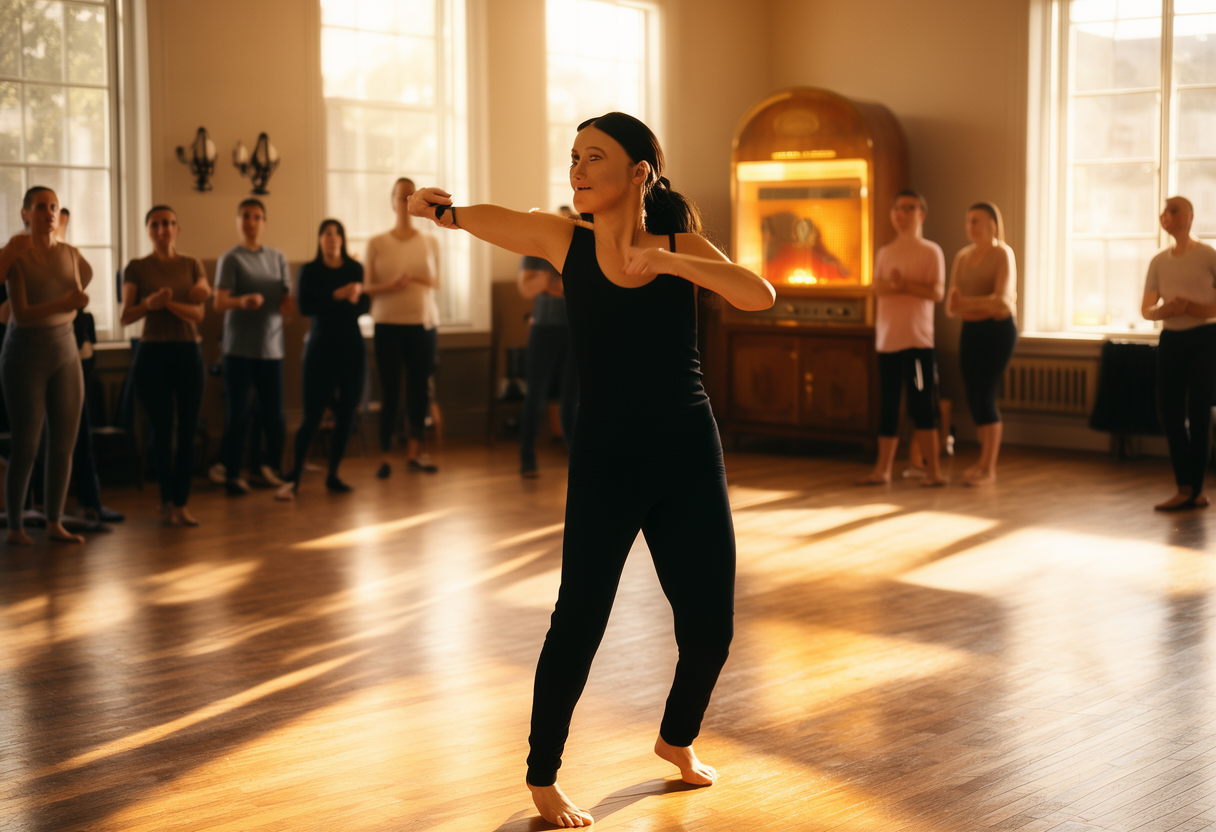
In a typical swing dance class, you can expect to learn basic steps, footwork, and partner connection. The class may start with a warm-up and stretching, followed by instruction on specific moves or techniques. You will likely practice these moves with a partner, switching partners throughout the class to gain experience dancing with different people.
Swing dance classes are usually structured in levels, from beginner to advanced. Beginner classes focus on basic steps and techniques, while advanced classes may incorporate more complex moves and improvisation. The class may also include social dancing time, where you can practice your skills with other dancers and enjoy the music.
What should I wear to a swing dance class?
When attending a swing dance class, wear comfortable clothing that allows for easy movement. You may want to wear stretchy pants or shorts and a t-shirt or tank top. Avoid wearing clothing that is too loose or restrictive, as this can interfere with your ability to move freely. Additionally, wear comfortable shoes that provide good support and have a smooth sole, such as dance sneakers or jazz shoes.
If you do not have dance shoes, you can wear clean, non-marking sneakers or other comfortable shoes with a smooth sole. Avoid wearing shoes with thick or heavy soles, as these can make it difficult to slide and pivot on the dance floor. You may also want to bring a water bottle and a towel to stay hydrated and cool during the class.
How do I prepare for my first swing dance class?
To prepare for your first swing dance class, start by warming up your body with some light stretching or cardio exercises. This can help prevent injury and improve your flexibility and range of motion. You may also want to practice some basic steps or footwork at home to get a feel for the rhythm and timing of swing dance.
Additionally, familiarise yourself with the music that will be played in class. Swing dance is typically danced to swing, jazz, and blues music, so listen to some of these genres to get a sense of the beat and rhythm. You can also watch videos of swing dance performances online to get inspired and motivated.
What are the benefits of taking swing dance classes?
Taking swing dance classes can provide numerous physical and mental health benefits. Swing dancing is a great form of cardio exercise, helping to improve your heart health, endurance, and stamina. It can also help you burn calories and maintain a healthy weight. Additionally, swing dancing can improve your balance, coordination, and flexibility, as well as strengthen your muscles and bones.
Swing dancing can also provide mental health benefits, such as reducing stress and anxiety, improving mood, and boosting self-confidence. Dancing in a social setting can help you connect with others, make new friends, and build a sense of community. Swing dancing can also improve your cognitive function, including memory, attention, and spatial awareness.
How do swing dance styles compare?
Here is a comparison of the most popular swing dance styles.
How do I find swing dance events near me?
To find swing dance events near you, check local dance studios, community centres, and online forums. Many cities have regular swing dance socials, performances, and competitions. You can also look for swing dance festivals and workshops, which often feature guest instructors and live music.
Additionally, you can join local swing dance groups on social media or attend classes at a nearby studio to connect with other dancers and learn about upcoming events. Some popular swing dance events include the Herrang Dance Camp in Sweden, the International Lindy Hop Championships in the United States, and the Swing Dance UK Festival in the United Kingdom.
How do I improve my swing dance skills?
To improve your swing dance skills, practice regularly and attend classes and workshops with experienced instructors. You can also watch videos of experienced dancers and study their technique and styling. Additionally, social dancing with a variety of partners can help you develop your lead and follow skills, as well as your musicality and improvisation.
Another way to improve your swing dance skills is to attend swing dance events and competitions. These events can provide opportunities to learn from other dancers, receive feedback from judges, and challenge yourself to push your limits. You can also join a swing dance performance group or teach classes to deepen your understanding of the dance and share your passion with others.
Improving your swing dance skills is like learning a new language. The more you practice and immerse yourself in the culture, the more fluent you will become. Attend classes, socials, and events to surround yourself with the language of swing dance and build your confidence and proficiency.
How do I choose the right swing dance class for me?
- Consider your skill level and choose a class that matches your experience.
- Look for classes that focus on the style of swing dance you are interested in.
- Check the class schedule and location to ensure it fits your schedule and is convenient to get to.
- Read reviews and ask for recommendations from other dancers to find a reputable instructor and studio.
What are some common mistakes to avoid in swing dance classes?
One common mistake to avoid in swing dance classes is not warming up properly before dancing. Swing dancing can be physically demanding, and failing to warm up can lead to injury. Always take a few minutes to stretch and prepare your body for movement.
Another mistake to avoid is not listening to your partner. Swing dancing is a partner dance, and effective communication and connection are essential. Pay attention to your partner’s lead or follow, and be responsive and attentive to their movements. Additionally, avoid holding onto your partner too tightly or too loosely, as this can interfere with your ability to connect and move together.
Start your swing dance journey by finding a class near you and taking the first step towards mastering this lively and social dance style. With practice and dedication, you can develop your skills and become a confident and accomplished swing dancer.
Frequently asked questions
How do I find swing dance classes near me?
Check online directories like Google Maps or Yelp. Enter your location and search for swing dance classes. Local dance studios and community centers often list their classes online. Social media groups and event pages can also provide recommendations from fellow dancers.
What should I wear to a trial swing dance class?
Wear comfortable, loose-fitting clothing that allows for movement. Sneakers or dance shoes are ideal. Avoid restrictive clothing or shoes with heavy soles. Bring a water bottle and a towel, as you may work up a sweat.
Do I need a partner to attend a swing dance class?
No, many classes are structured for both singles and couples. Instructors often rotate partners to help you learn different styles and meet new people. If you prefer, you can attend with a friend or significant other, but it is not required.
What can I expect during a trial swing dance class?
A typical trial class starts with a warm-up, followed by basic steps and simple routines. Instructors demonstrate moves and provide individual feedback. You'll practice in pairs, so don't worry about making mistakes. The atmosphere is usually fun and supportive, focusing on learning and enjoyment.